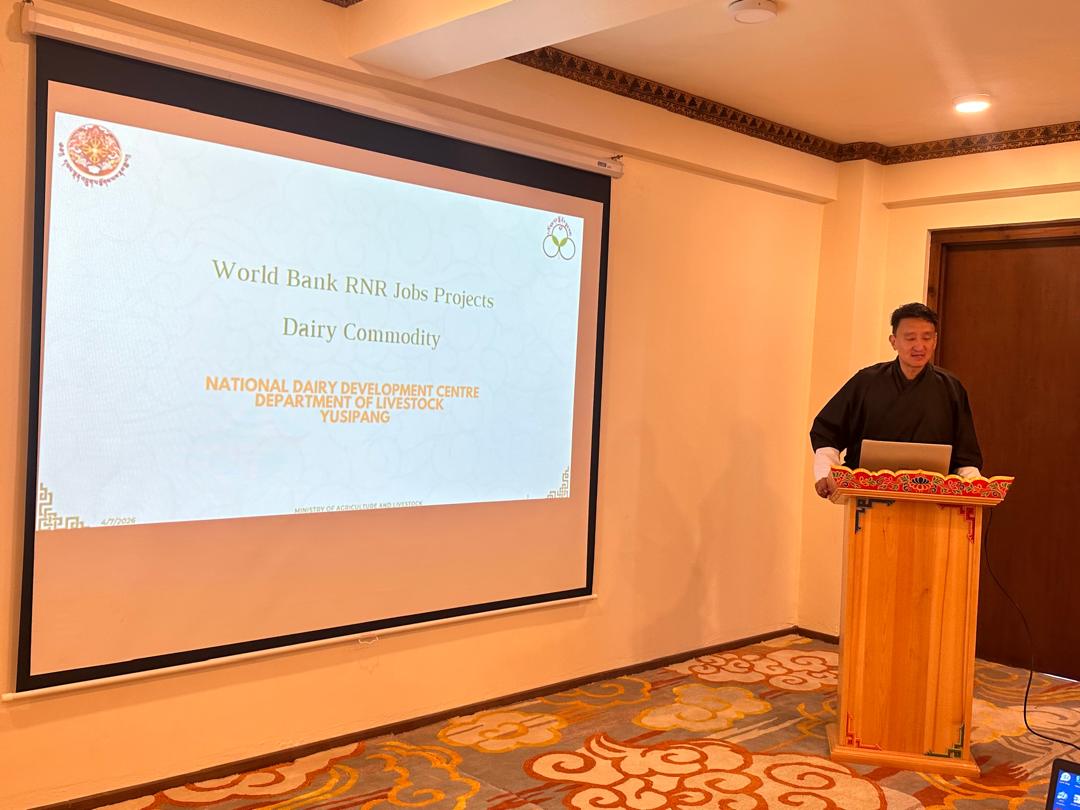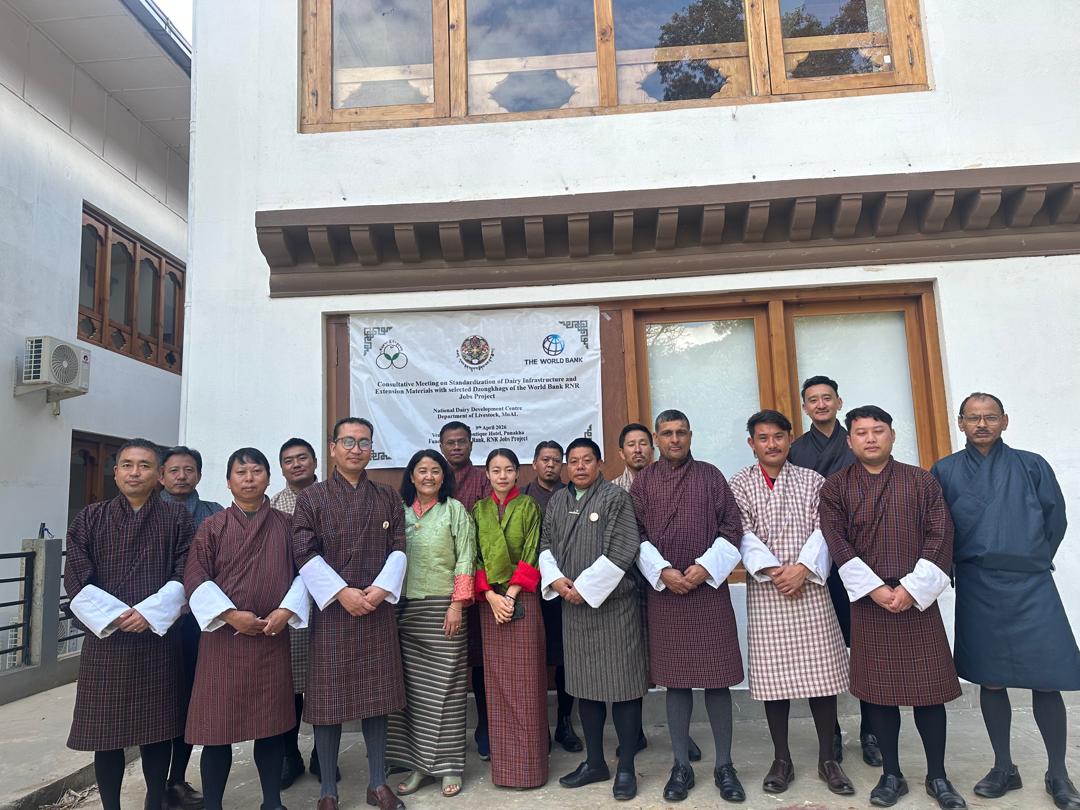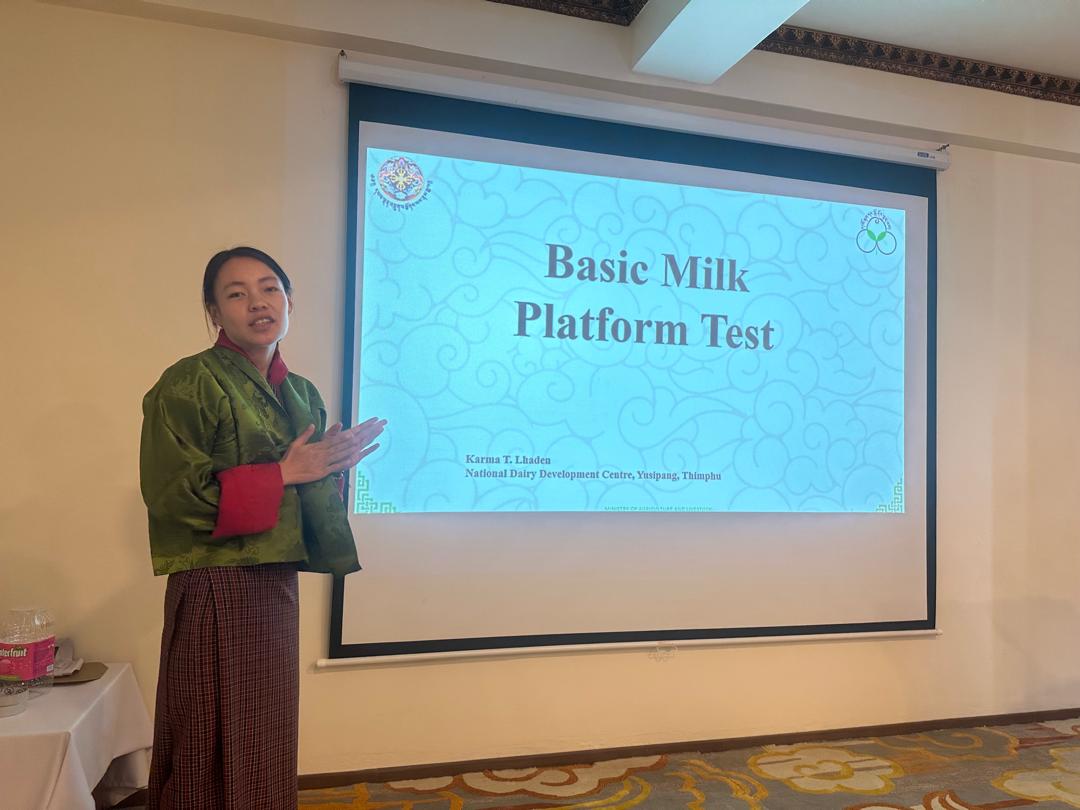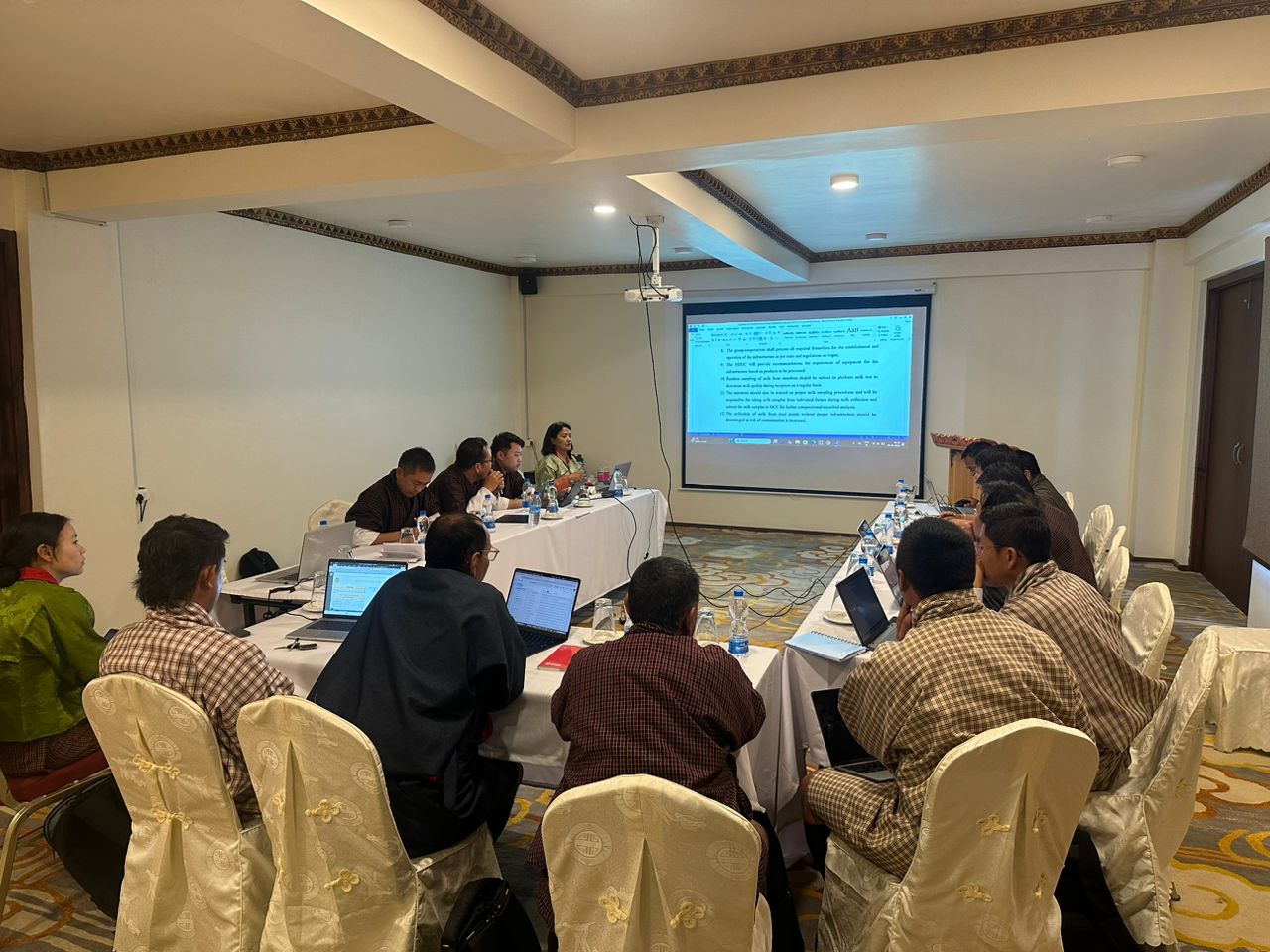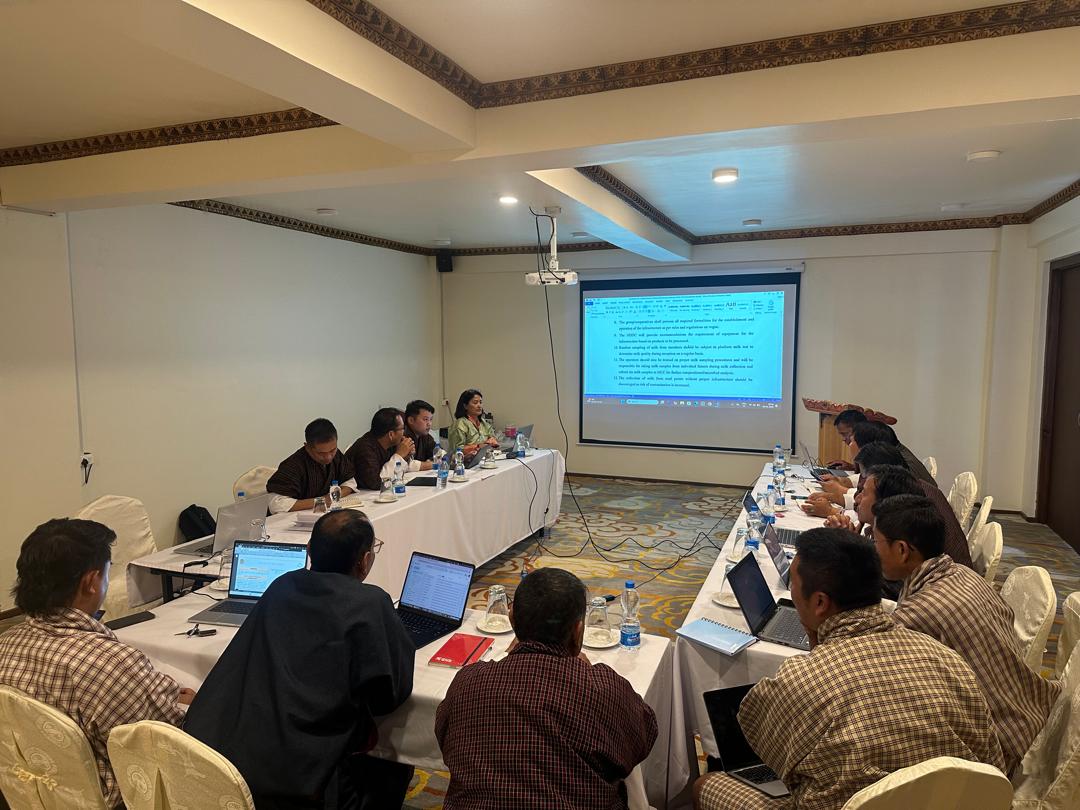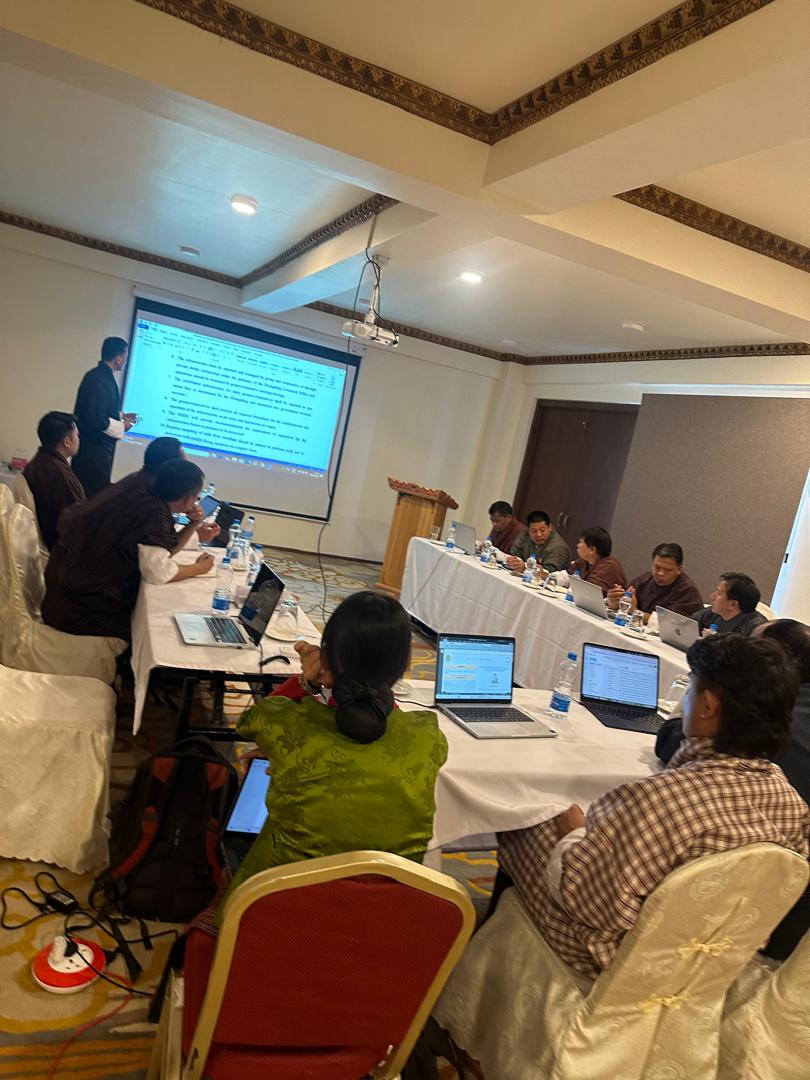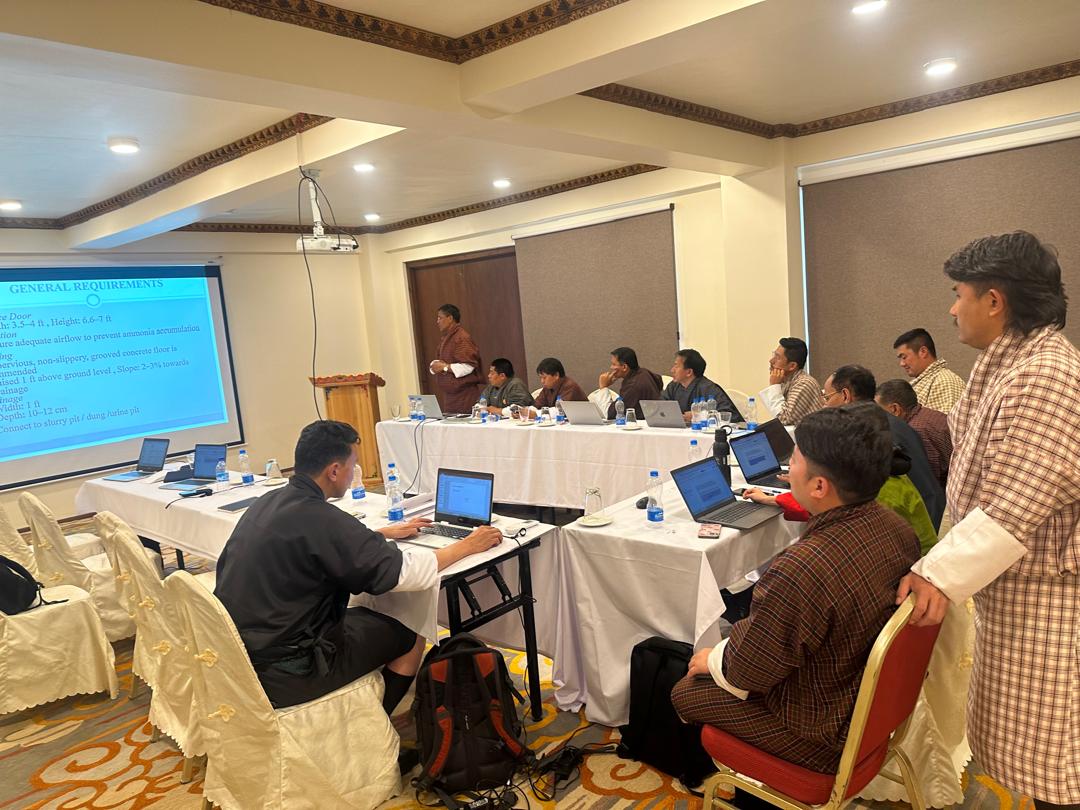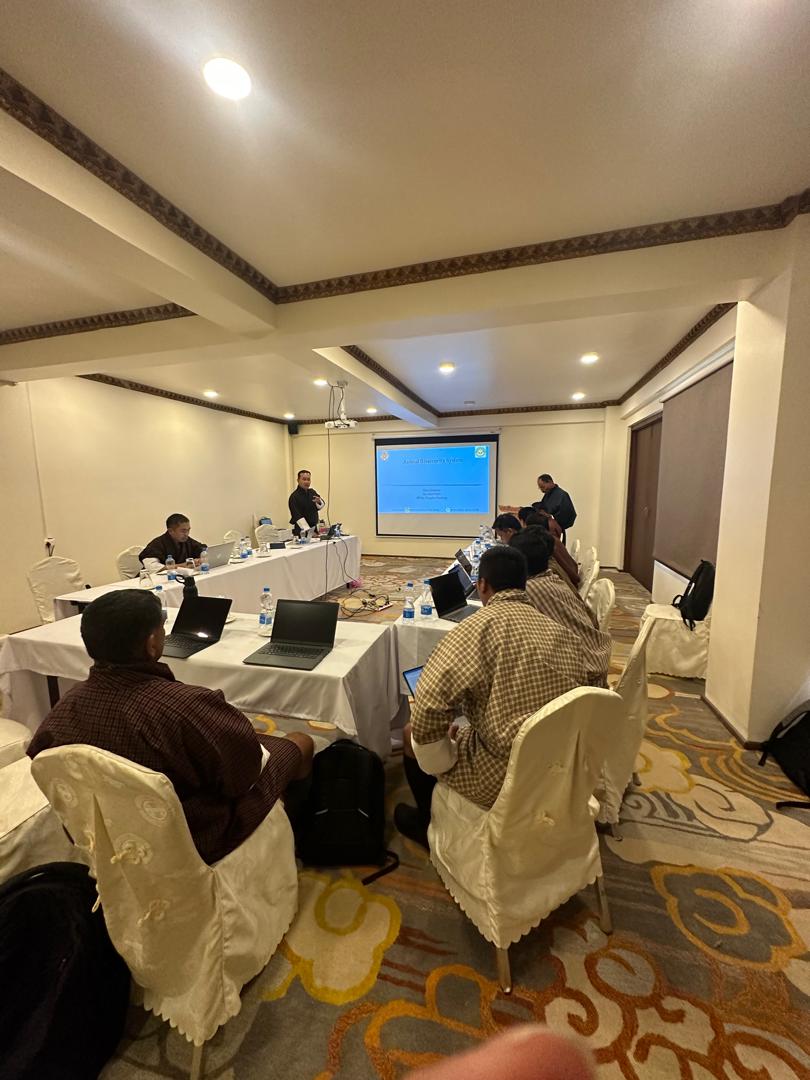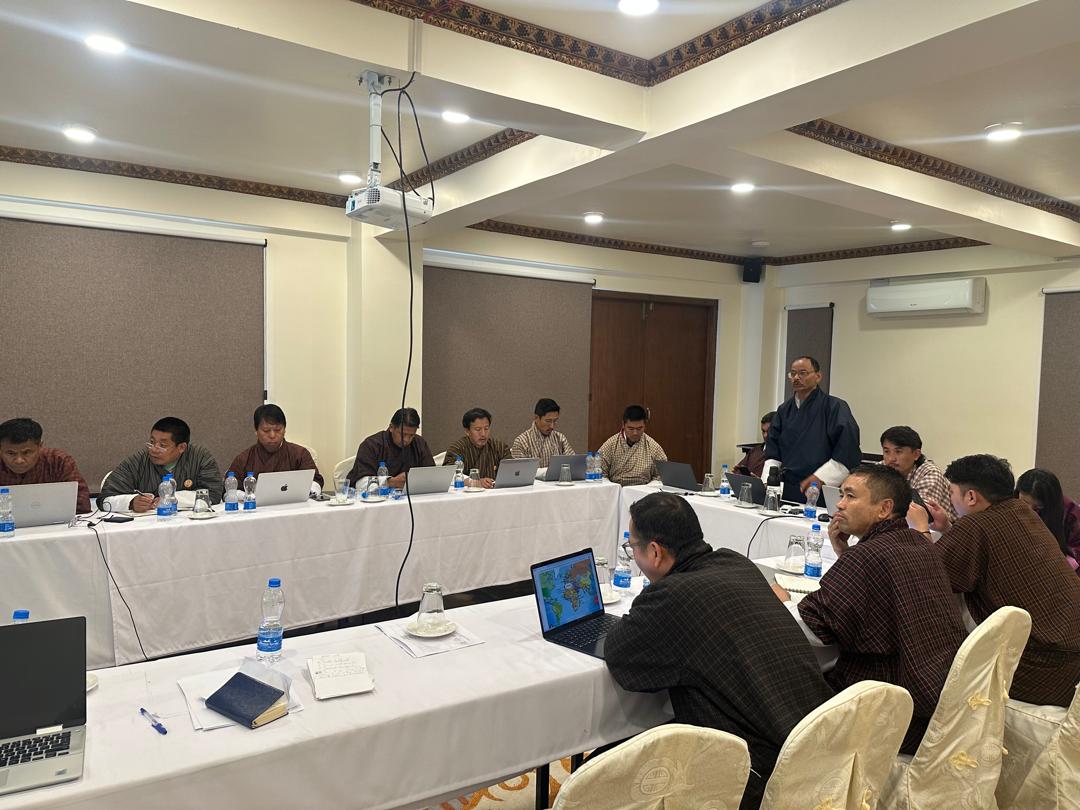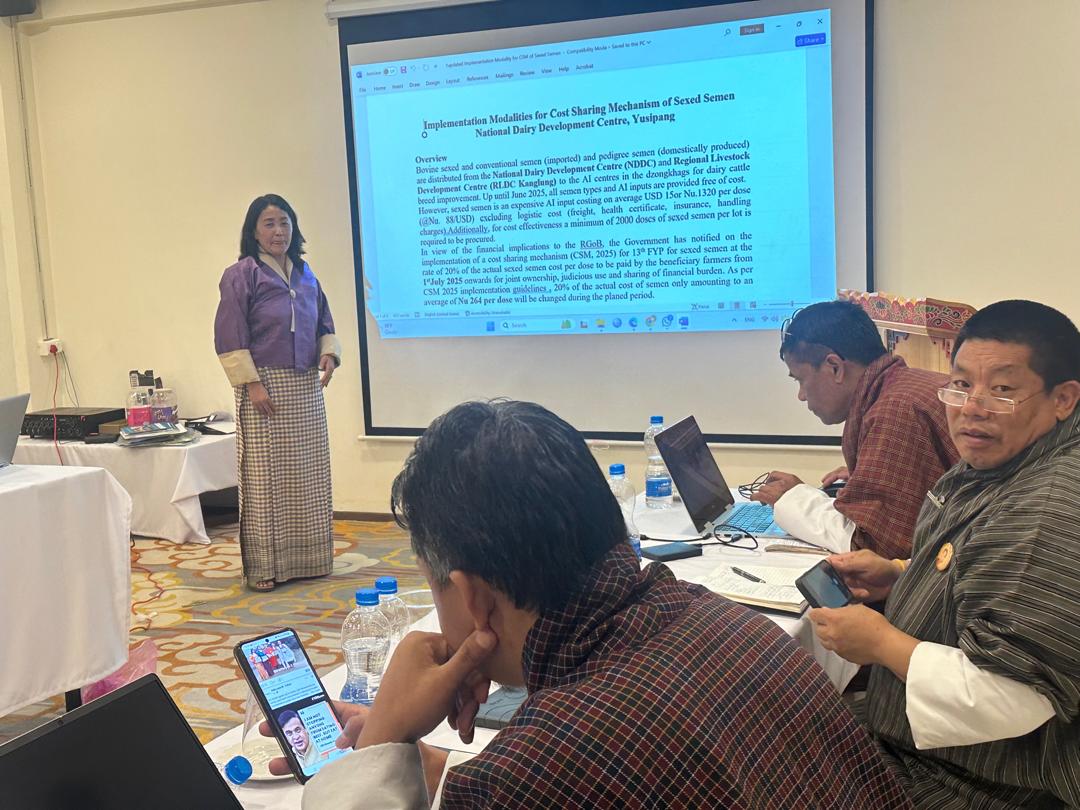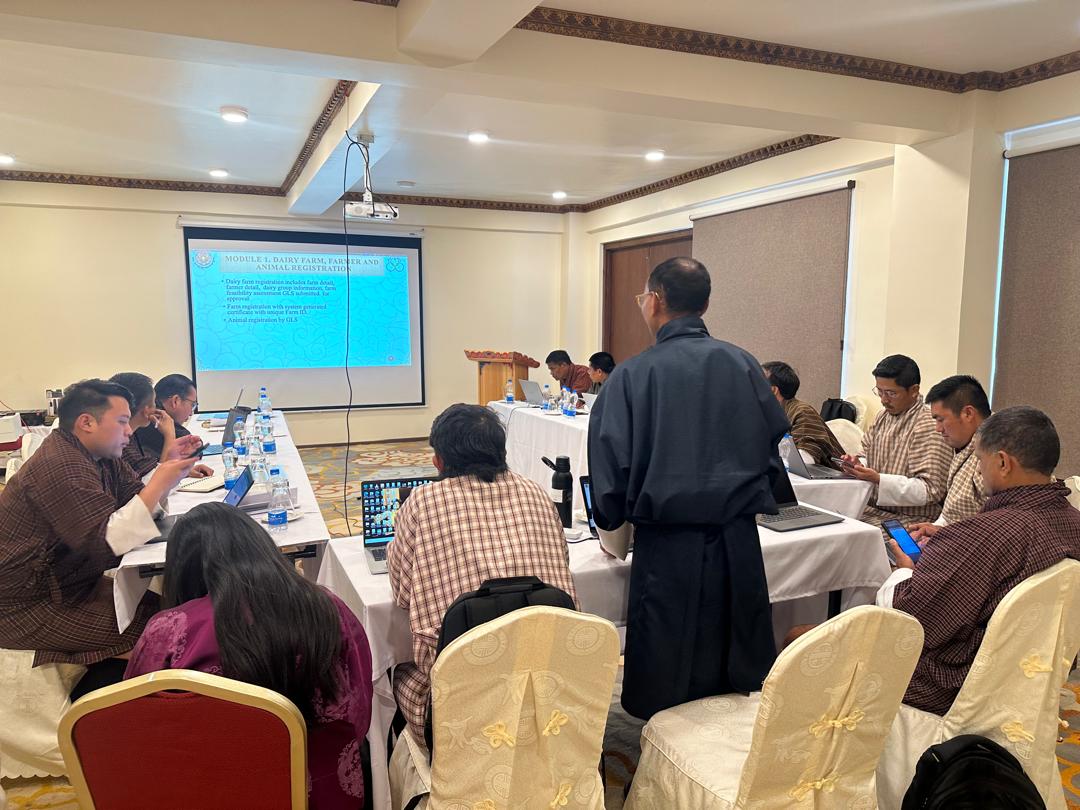
A successful three-day consultative meeting was conducted with selected Dzongkhags under the World Bank–supported RNR Jobs Project (Dairy Commodity) and Gyalsung priority areas to strengthen Bhutan’s dairy sector through standardization, quality improvement, and knowledge sharing.
🐄 Dairy Housing Standardization
A three-day consultative meeting with selected Dzongkhags under the World Bank–supported RNR Jobs Project (Dairy Commodity) and Gyalsung priority areas was successfully conducted to develop guidelines for the standardization of dairy housing across various agro-ecological zones in the country.
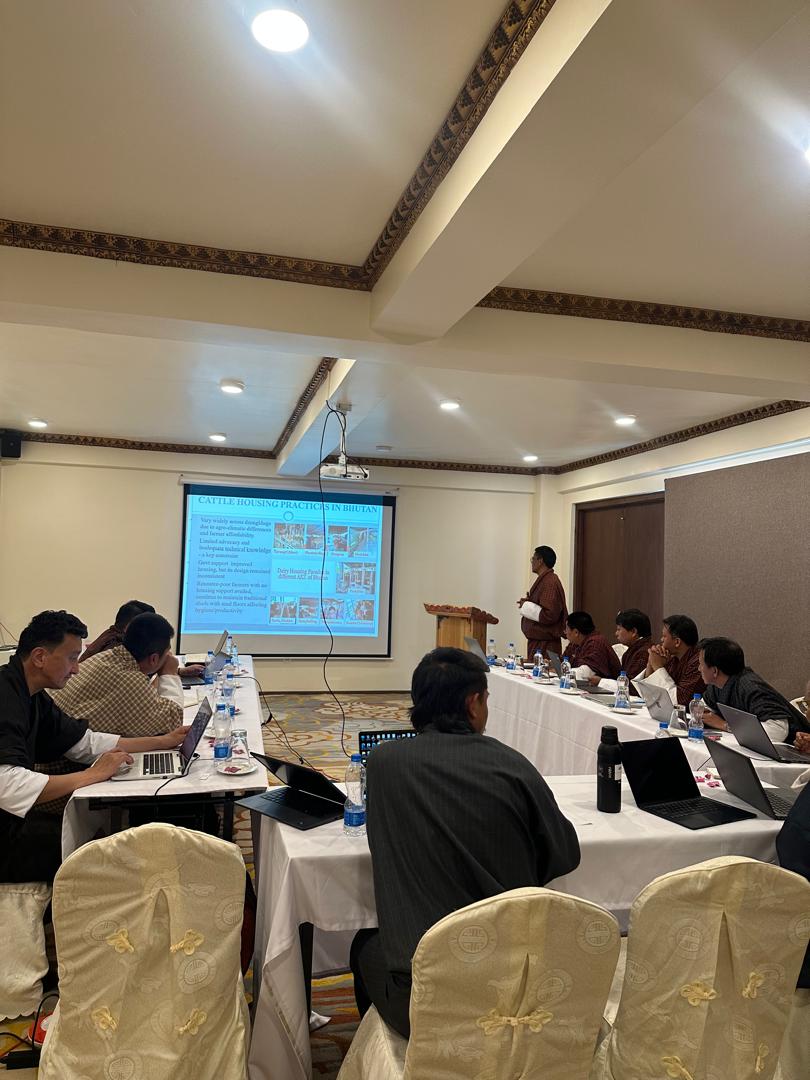
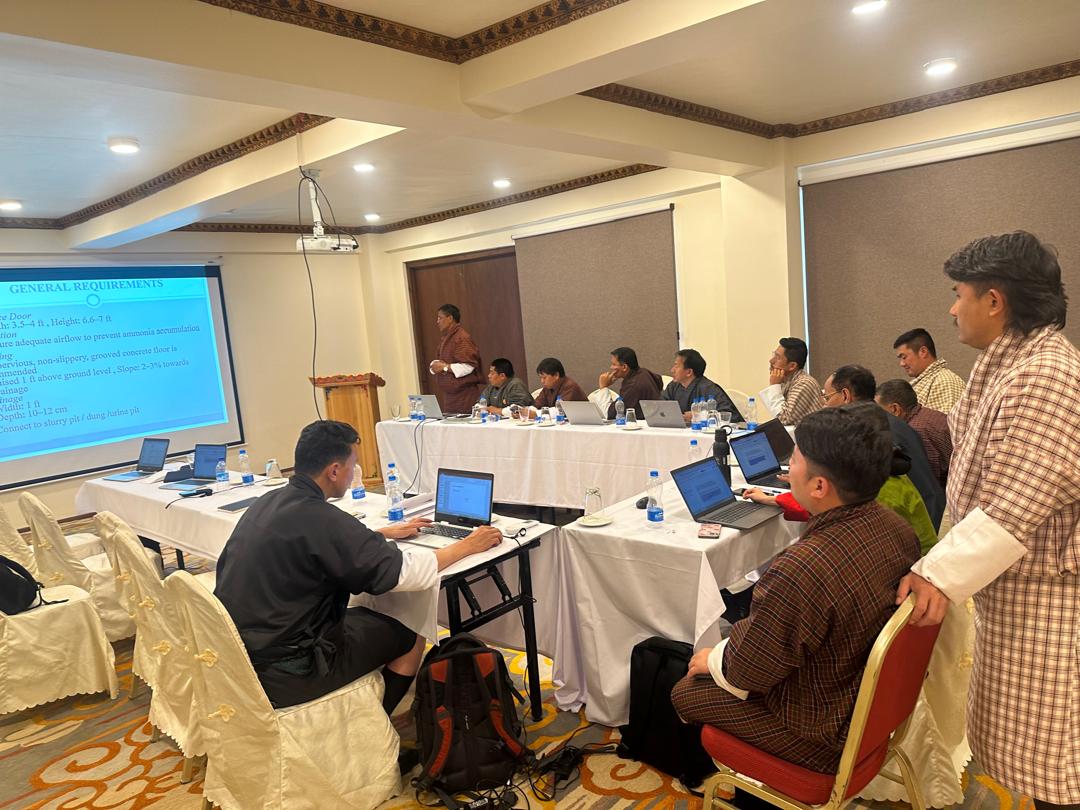
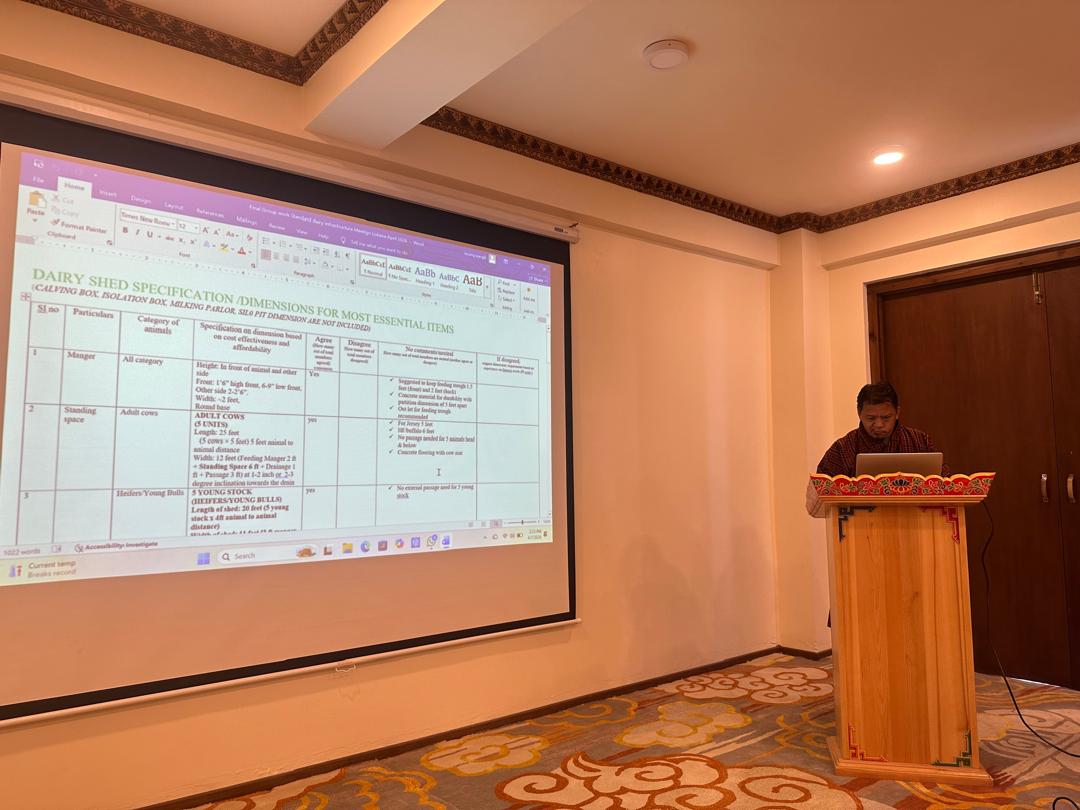
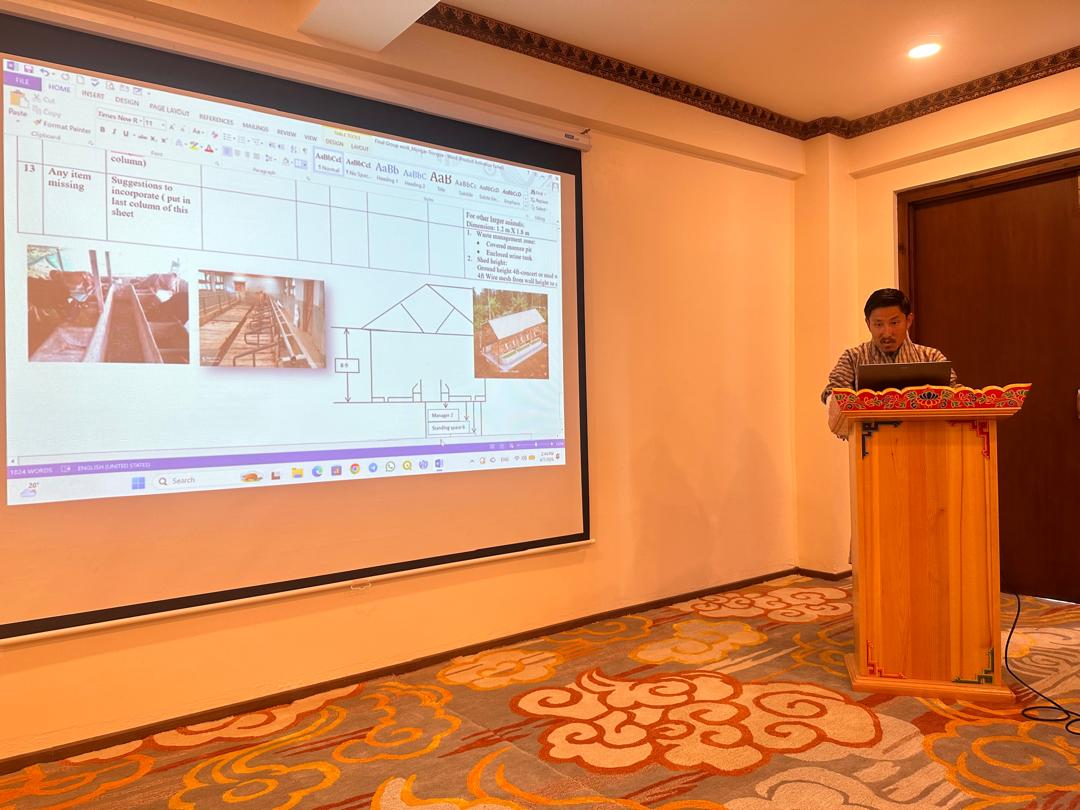
The meeting reviewed the current status of dairy housing practices, highlighting key challenges and gaps, and underscored the need for practical, cost-effective, and location-specific standards. A draft guideline outlining essential housing specifications—such as floor space, feeding arrangements, and resting areas—was presented, with due consideration to smallholder farming systems.
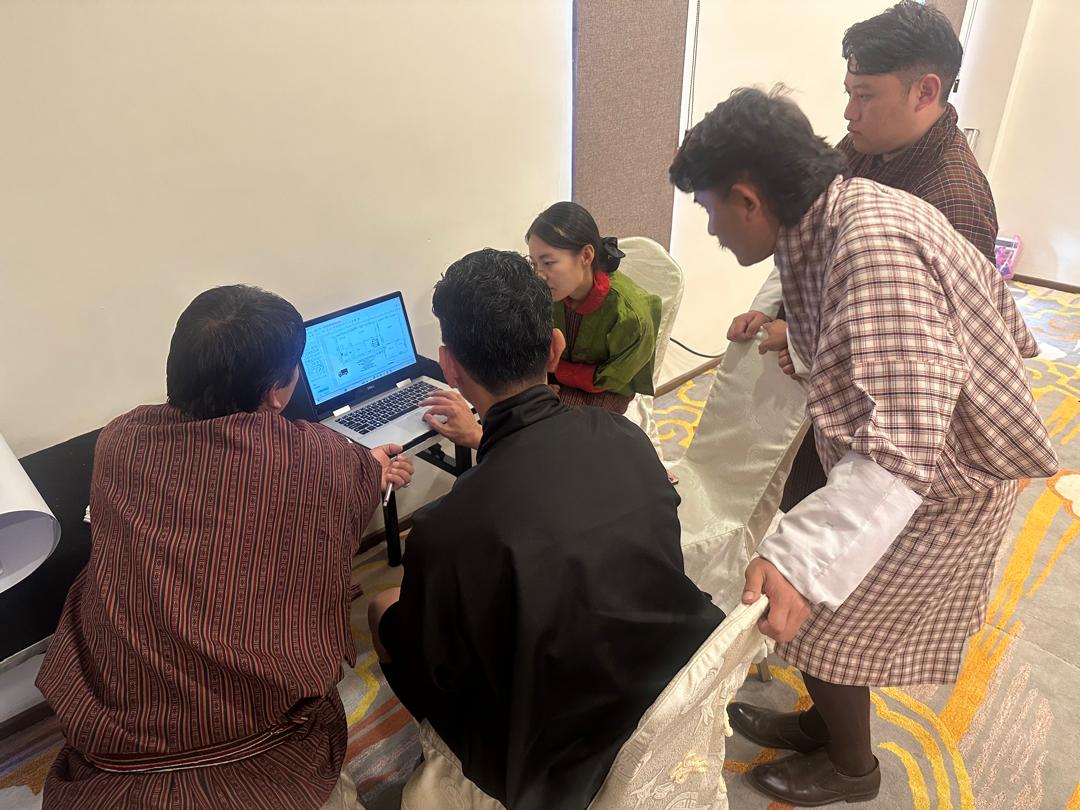
Through group work and technical discussions, participants reviewed and refined the draft, proposing improvements based on field realities across various zones. The process emphasized practicality, climate responsiveness, and adaptability to diverse farming conditions.
The meeting concluded with a consensus on a refined draft guideline for the standardization of dairy housing across Bhutan’s agro-ecological zones. The finalized draft is expected to promote improved animal welfare, hygiene, productivity, and uniformity in dairy housing practices, supporting sustainable development of the dairy sector in Bhutan.
🥛 Strengthening MCCs and MPUs
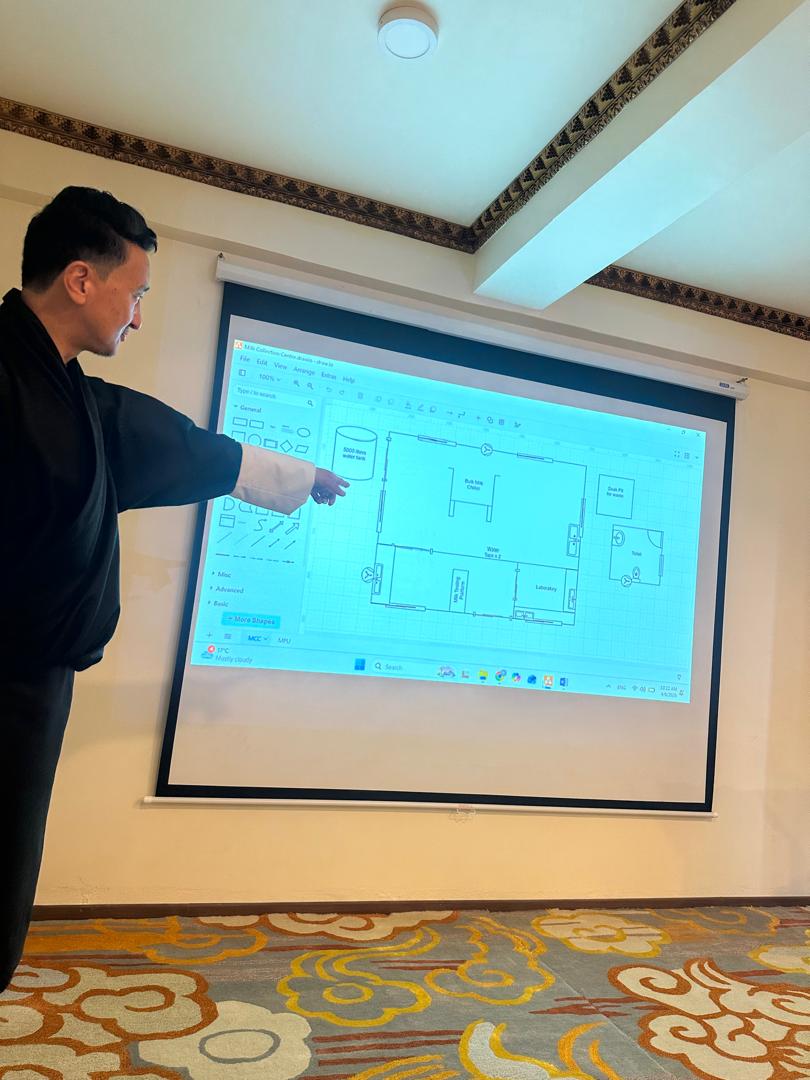
During the consultative meeting, key gaps and challenges in existing Milk Collection Centres (MCCs) and Milk Processing Units (MPUs) were critically reviewed, leading to important agreements for strengthening dairy infrastructure standards in the country. The meeting noted that many existing MCCs and MPUs do not adequately comply with Good Hygiene Practices (GHP) and Good Manufacturing Practices (GMP). Participants highlighted that current construction materials and infrastructure design fall short of internationally accepted practices.
The revised guidelines therefore emphasize improved construction standards, along with the inclusion of basic laboratory facilities in MPUs to support quality assurance and control. The traditional milk collection sheds will no longer be promoted, as they do not meet required hygiene and safety standards. New MCCs and MPUs will be established primarily on government land, with alternative modalities developed where such land is unavailable. Infrastructure development for dairy farmer groups will be supported through the World Bank RNR Jobs Project, while private enterprises will be supported through PPP modalities via DAMC. To ensure regulatory compliance, the revised guidelines will be aligned with the standards of the Bhutan Food and Drug Authority prior to formal submission.
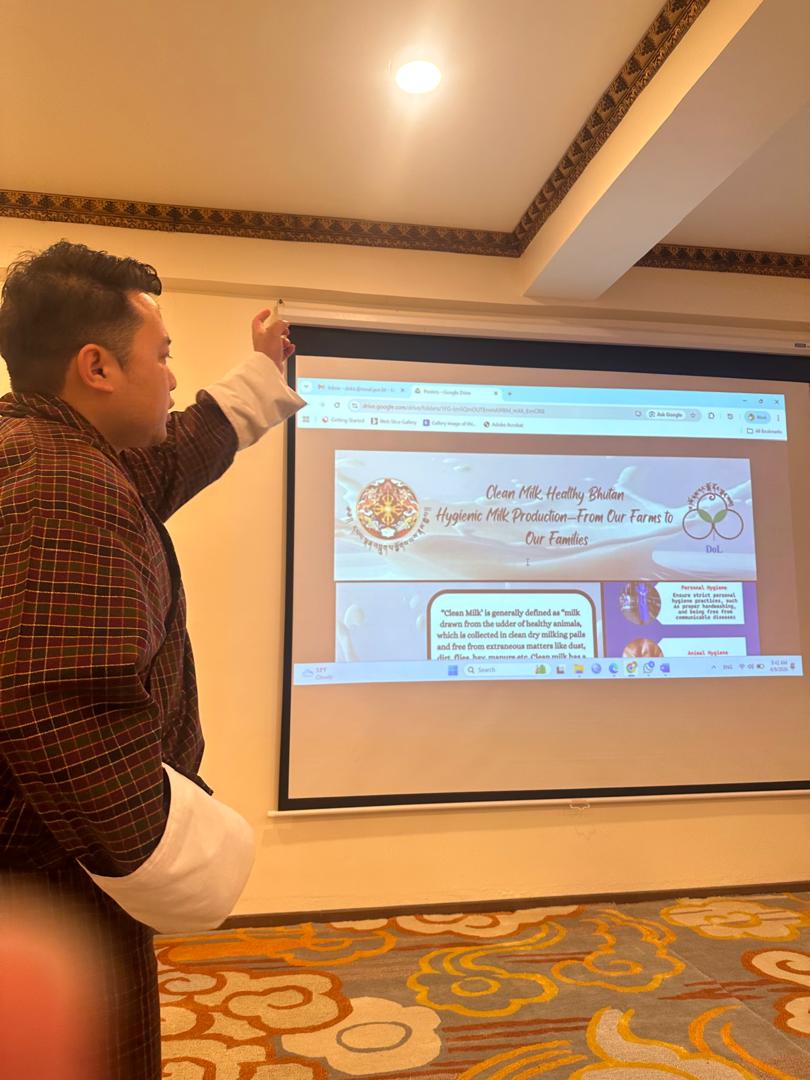
At the same time, the initiative promotes clean milk production through the introduction of a quality-based milk payment system. By rewarding milk quality rather than just quantity, farmers are incentivized to adopt better hygiene and handling practices. This integrated approach not only enhances milk safety and processing standards but also leads to higher farmer incomes and increased consumer confidence in dairy products.
The existing guidelines for dairy infrastructure have been comprehensively updated to reflect both current needs and future requirements of the sector. The newly developed guidelines aim to address these gaps, with initial implementation planned at Gyalsung Academy sites, followed by roll-out in selected Dzongkhags under the RNR Jobs Project and nationwide in near future.
📚 Extension Materials & Digital Knowledge Sharing
The meeting emphasized the development of practical, user-friendly extension materials to support MCC/MPU operations and farmer capacity building. Recommended materials include concise posters, laminated operational booklets, and visually rich standees posters for training.
A shift toward digital dissemination was strongly encouraged, with materials to be hosted on official websites rather than widely printed. Participants also recommended regularly updating online platforms with research, innovations, and sector developments, and developing a GIS-enabled web page to showcase interventions and success stories across regions.
Additionally, all existing guidelines were thoroughly reviewed and updated to enhance the effectiveness and consistency of service delivery. The revisions aim to improve clarity, standardize procedures, and ensure that services are delivered in a more efficient, transparent, and farmer-centric manner across all regions, while aligning with current best practices and the emerging needs of the dairy sector.
Overall, the meeting marks a significant step towards building a more standardized, safe, and sustainable dairy sector in Bhutan, benefiting farmers, processors, and consumers alike.
Reported by: Information Management Sector.