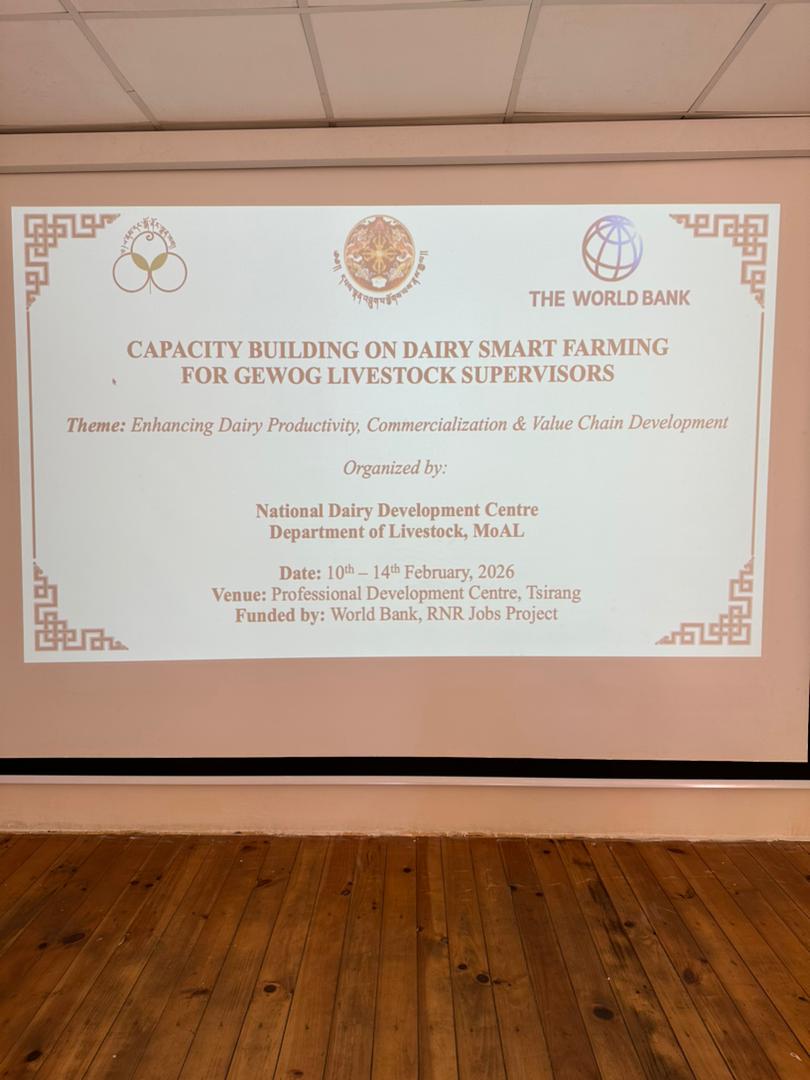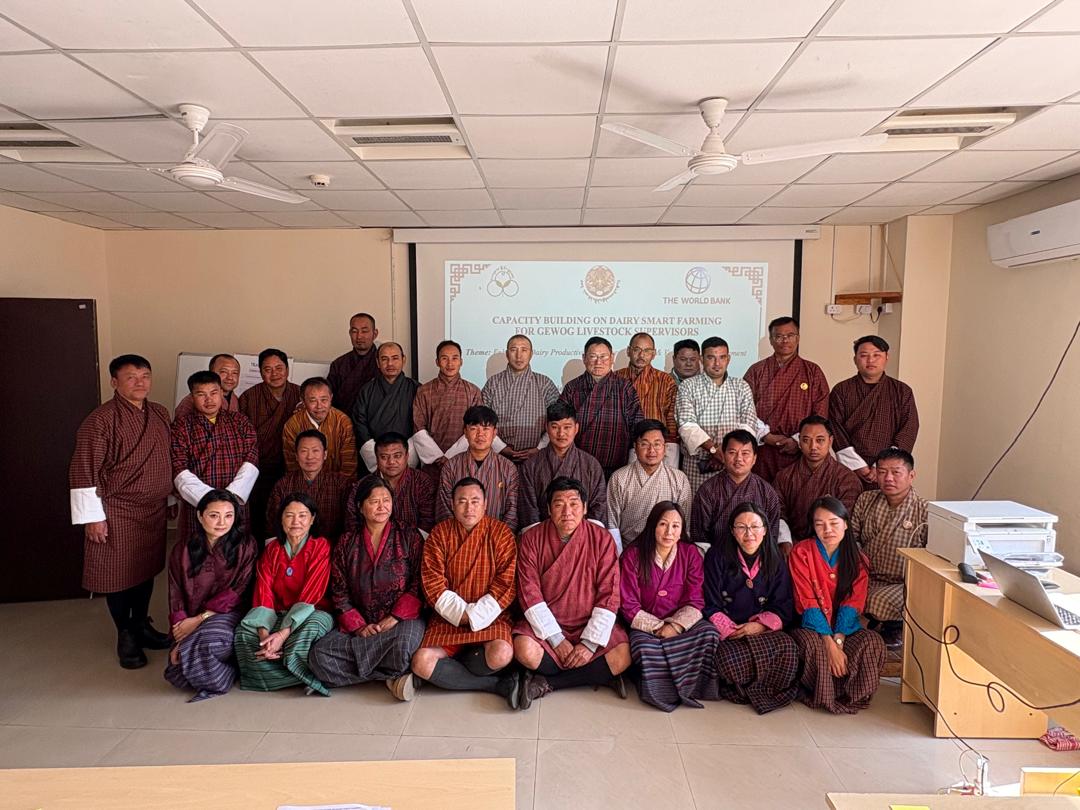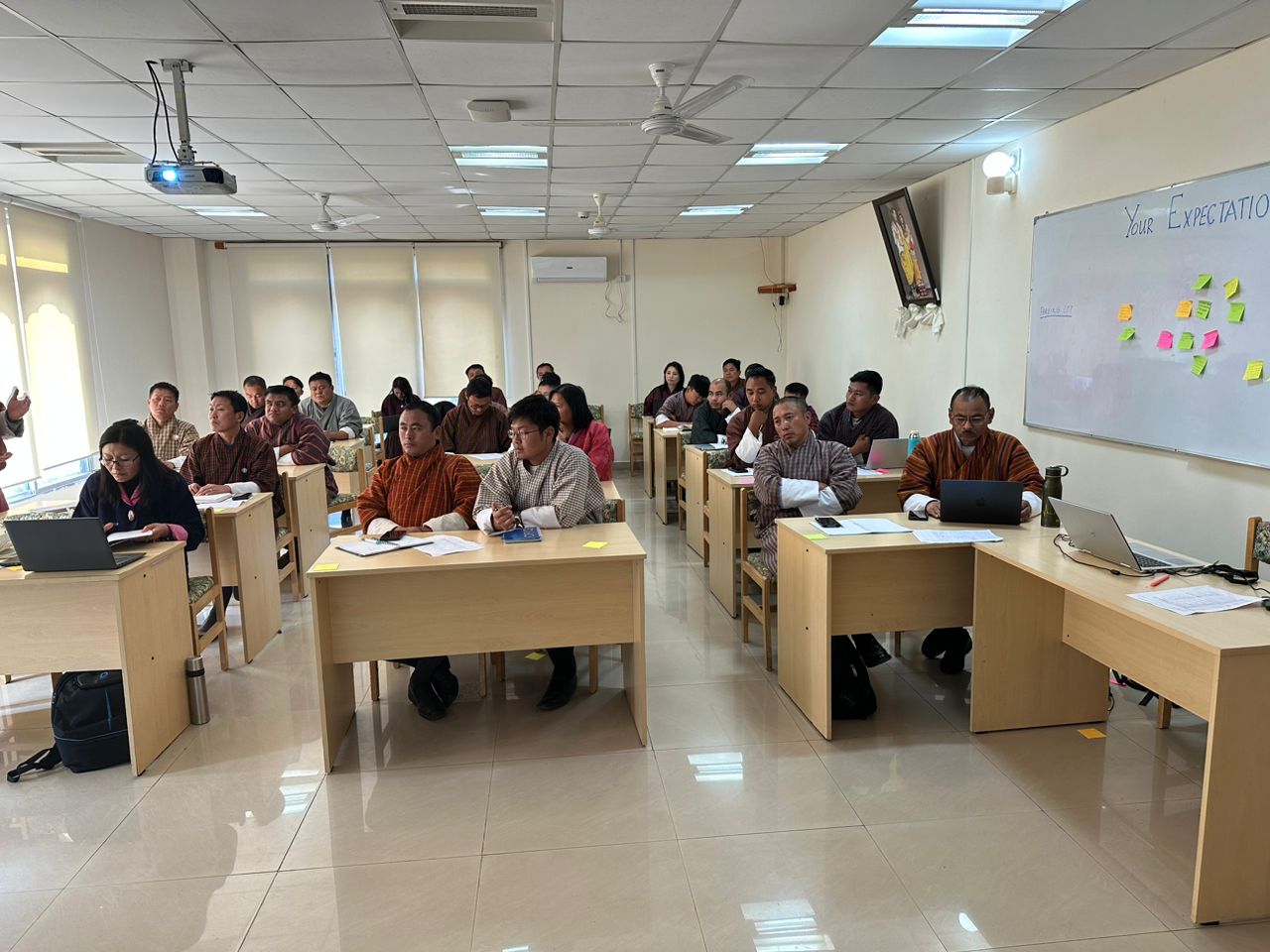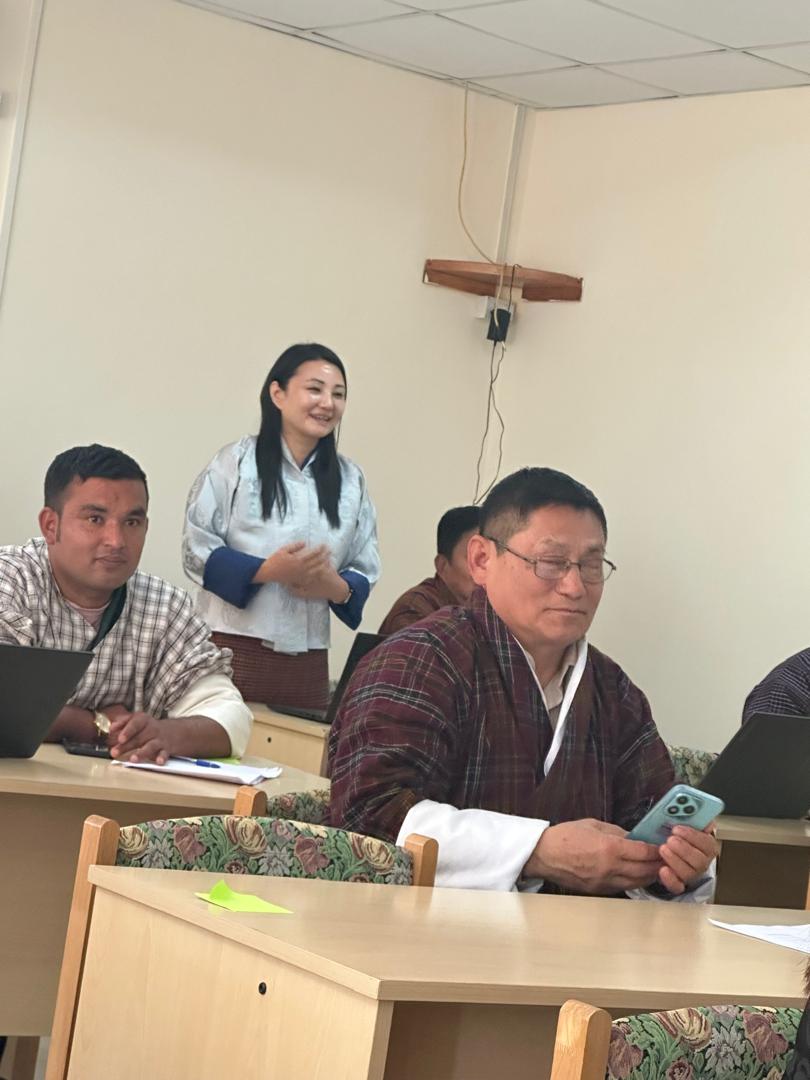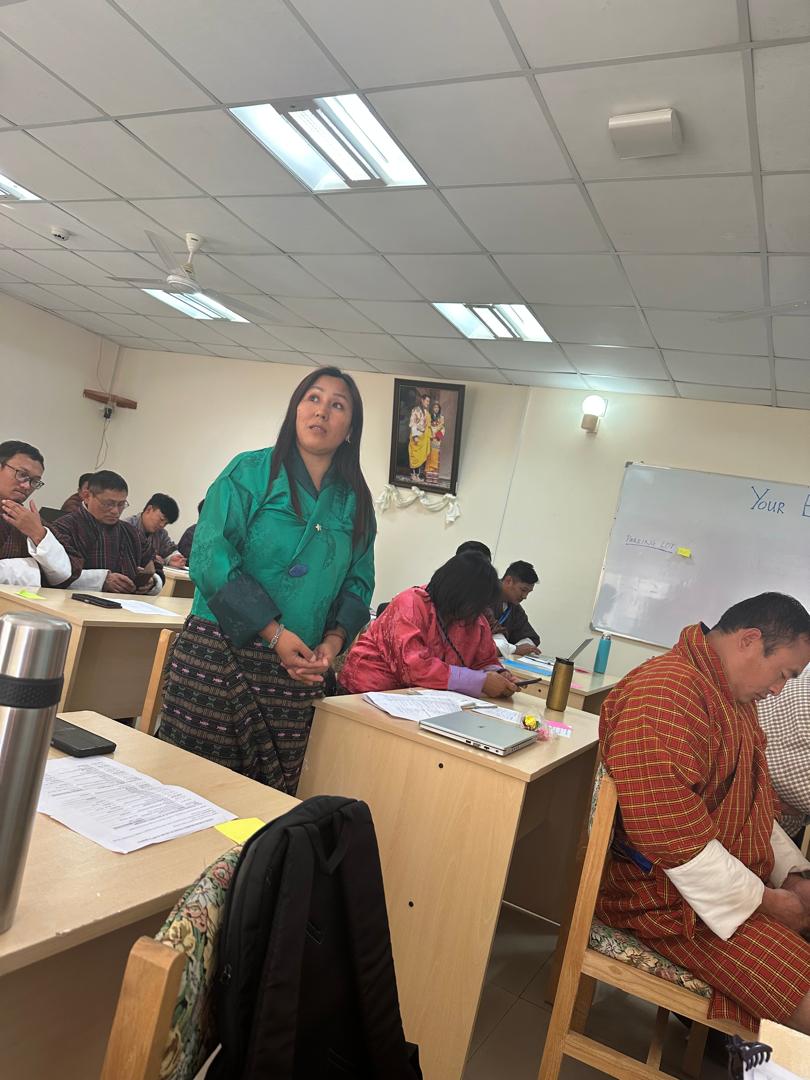
In response to the evolving need to regularly upgrade and upskill frontline extension personnel, a Capacity Building Training on Smart Dairy Farming for Gewog Livestock Supervisors (GLS) from World Bank–RNR Jobs Project priority Gewogs of the West Central Region namely Tsirang, Dagana, Punakha, and Wangduephodrang, was conducted at the Professional Development Centre (PDC), Tsirang, from 10–14 February 2026.
The five-day training was attended by GLS from the targeted project Gewogs, who play a pivotal role in delivering livestock extension services, implementing government schemes, and supporting dairy farmers’ groups and cooperatives at the grassroots level.
The training was organized by the National Dairy Development Centre (NDDC) and funded by the World Bank–RNR Jobs Project. The training aimed to strengthen and upgrade the technical knowledge and practical skills of GLS to drive dairy commercialization and transformation. It also focused on enhancing their capacity to motivate farmers to adopt innovative approaches, embrace smart technologies and best dairy practices, and manage dairy groups and cooperatives in a sustainable, market-oriented, and economically viable manner.
Key Thematic Areas
The training covered a wide range of priority interventions across the dairy value chain, including:
🔹Orientation, Policy Framework and Smart Dairy Technologies
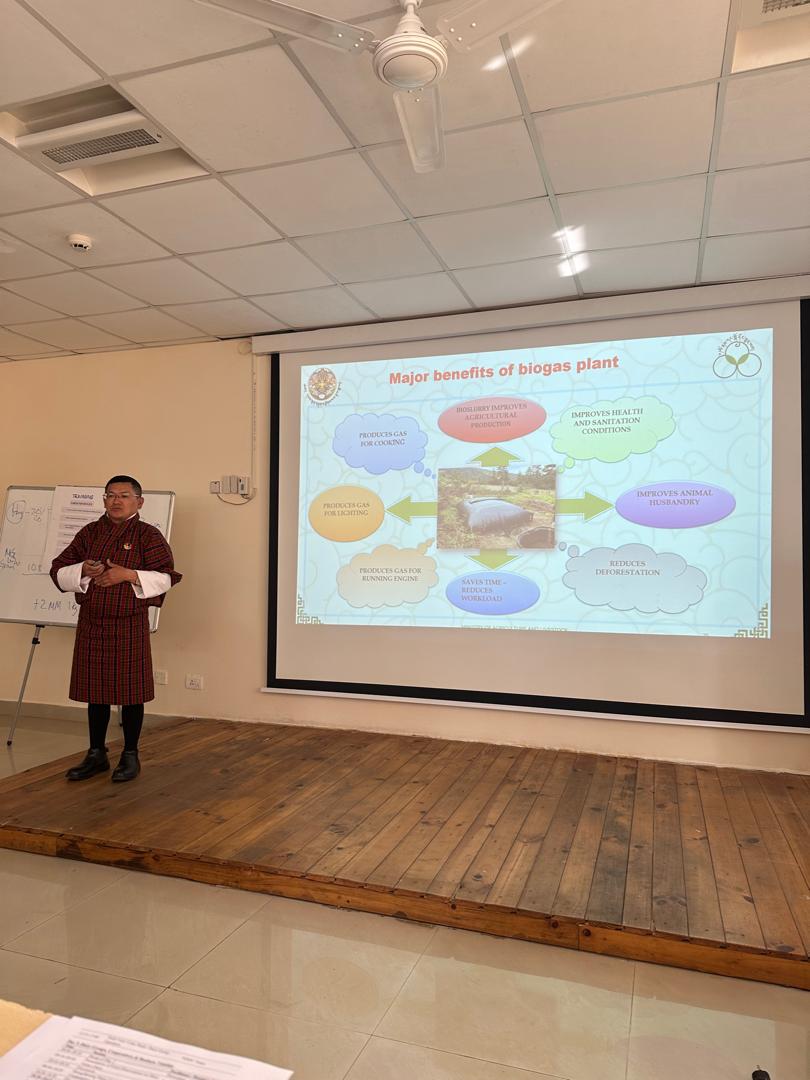
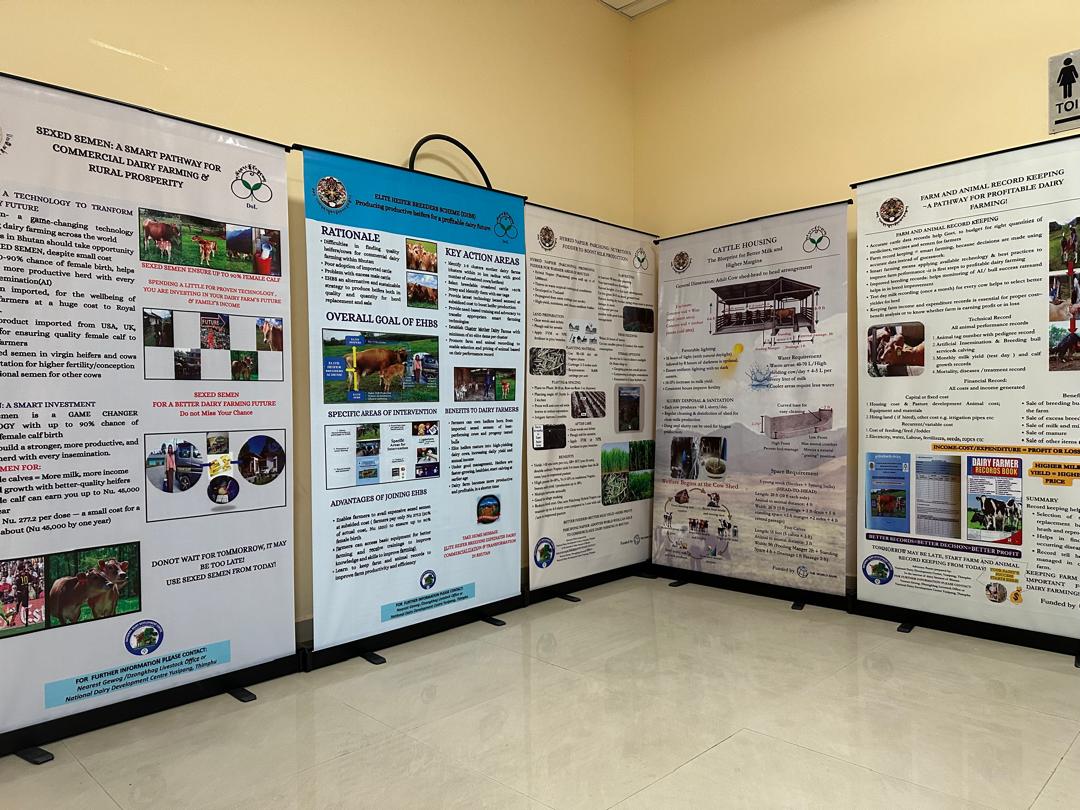
Participants were oriented on national policies and smart dairy technologies, including cost-sharing mechanisms for breeding inputs such as sexed semen and the elite heifer cluster scheme and basic infrastructure such as improved dairy housing and integration of Biogas. Under the biogas component, participants were introduced to emerging biogas technologies, such as prefabricated Fiberglass Reinforced Plastic (FRP) digesters, which provide greater durability, ease of installation, and higher gas efficiency. The discussion highlighted the benefits of biogas for smallholder dairy farms, including renewable energy generation for cooking and heating, reduction of Green House Gas, and production of nutrient-rich slurry that can be used as organic fertilizer. Participants were also sensitized on potential linkage with national renewable energy programs (Bhutan Ecological Society) for promoting sustainable and climate-resilient dairy farming practices in the country.
🔹 Pasture, Fodder and Feed Management
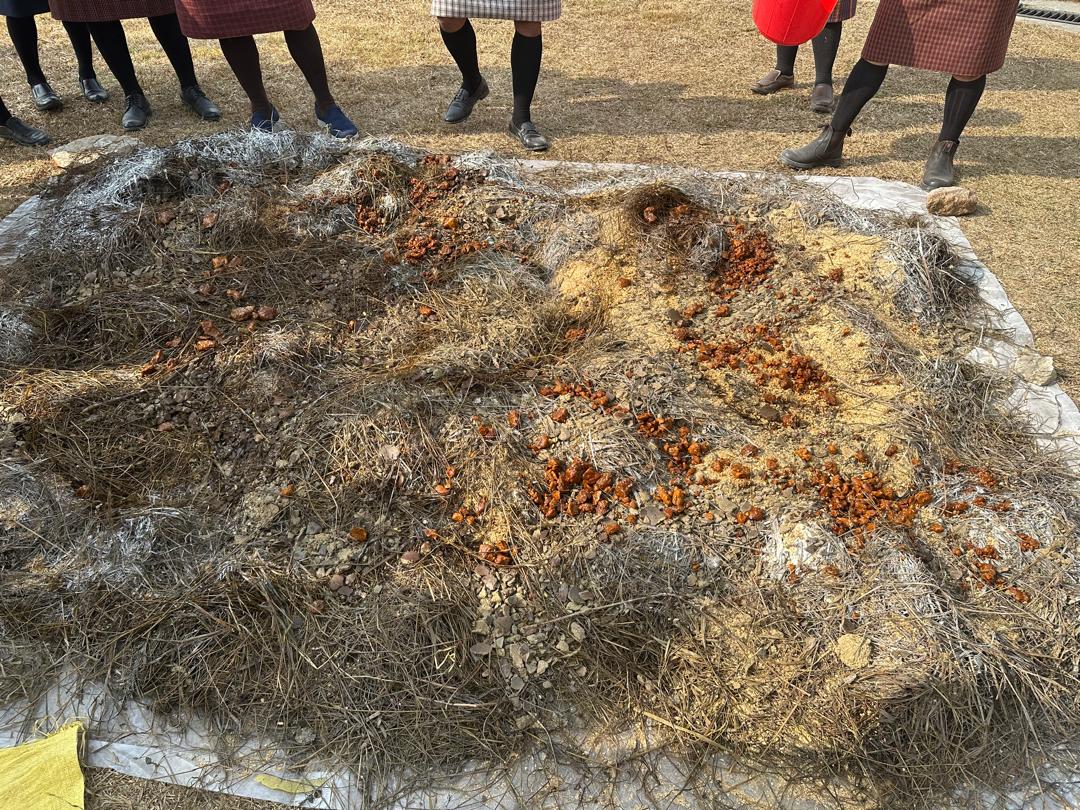
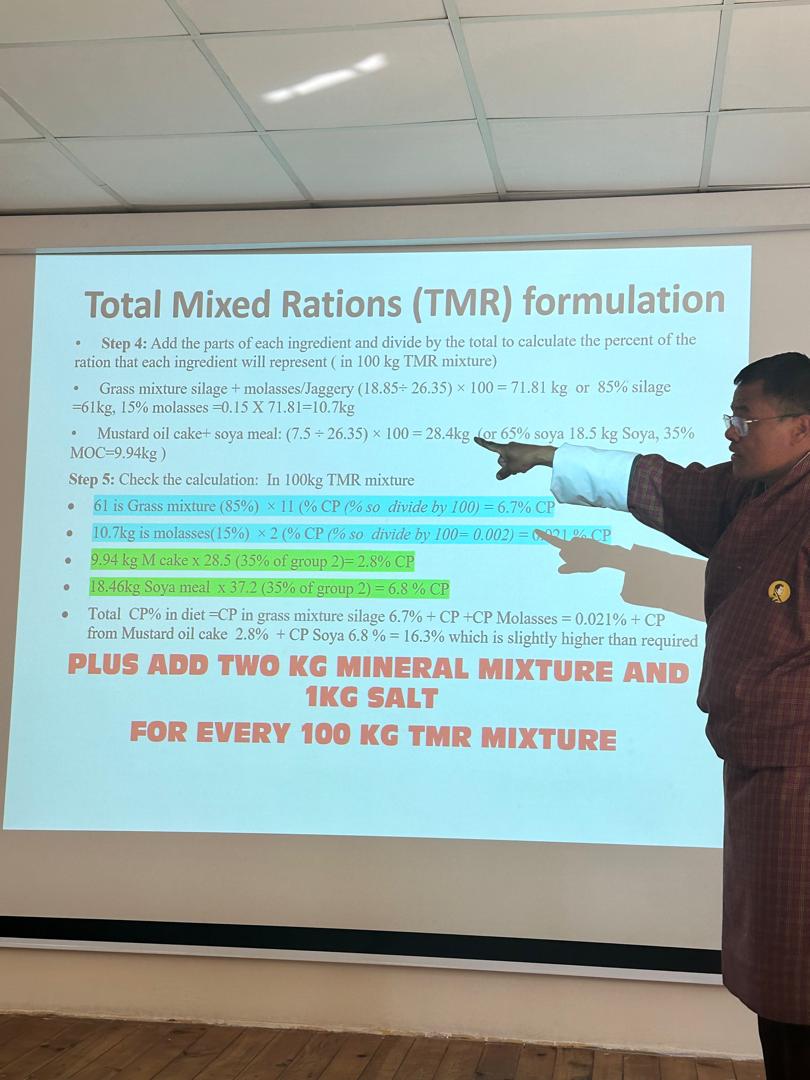
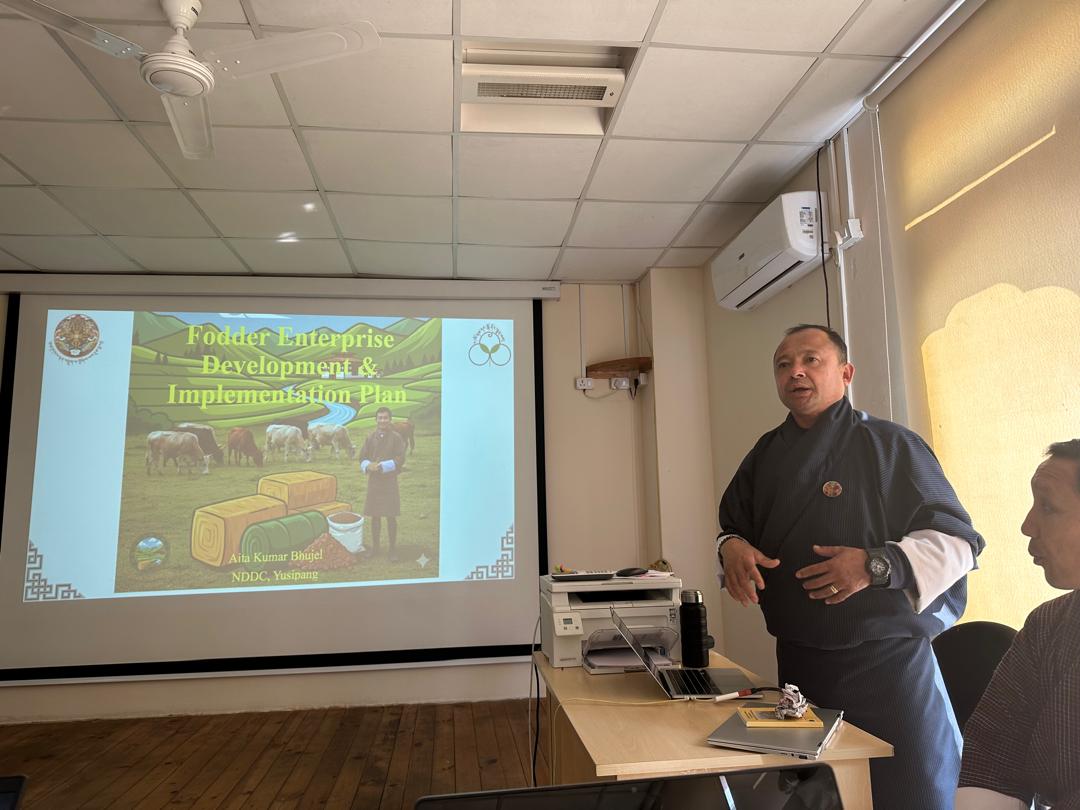
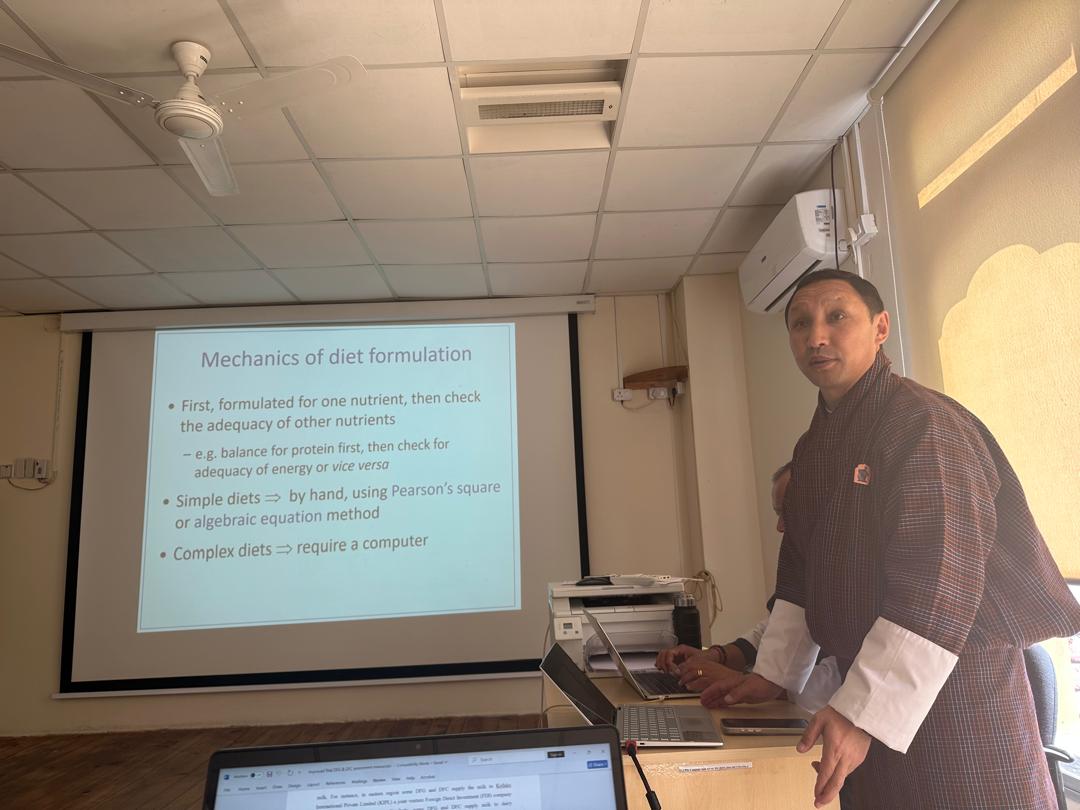
Sessions focused on improved pasture management, fodder conservation, Pakchong Hybrid/ Super Napier Technology, Total Mixed Ration (TMR) formulation using Pearson Square Method, alongside fodder enterprise development.
🔹 Dairy Groups, Cooperatives and Business Viability
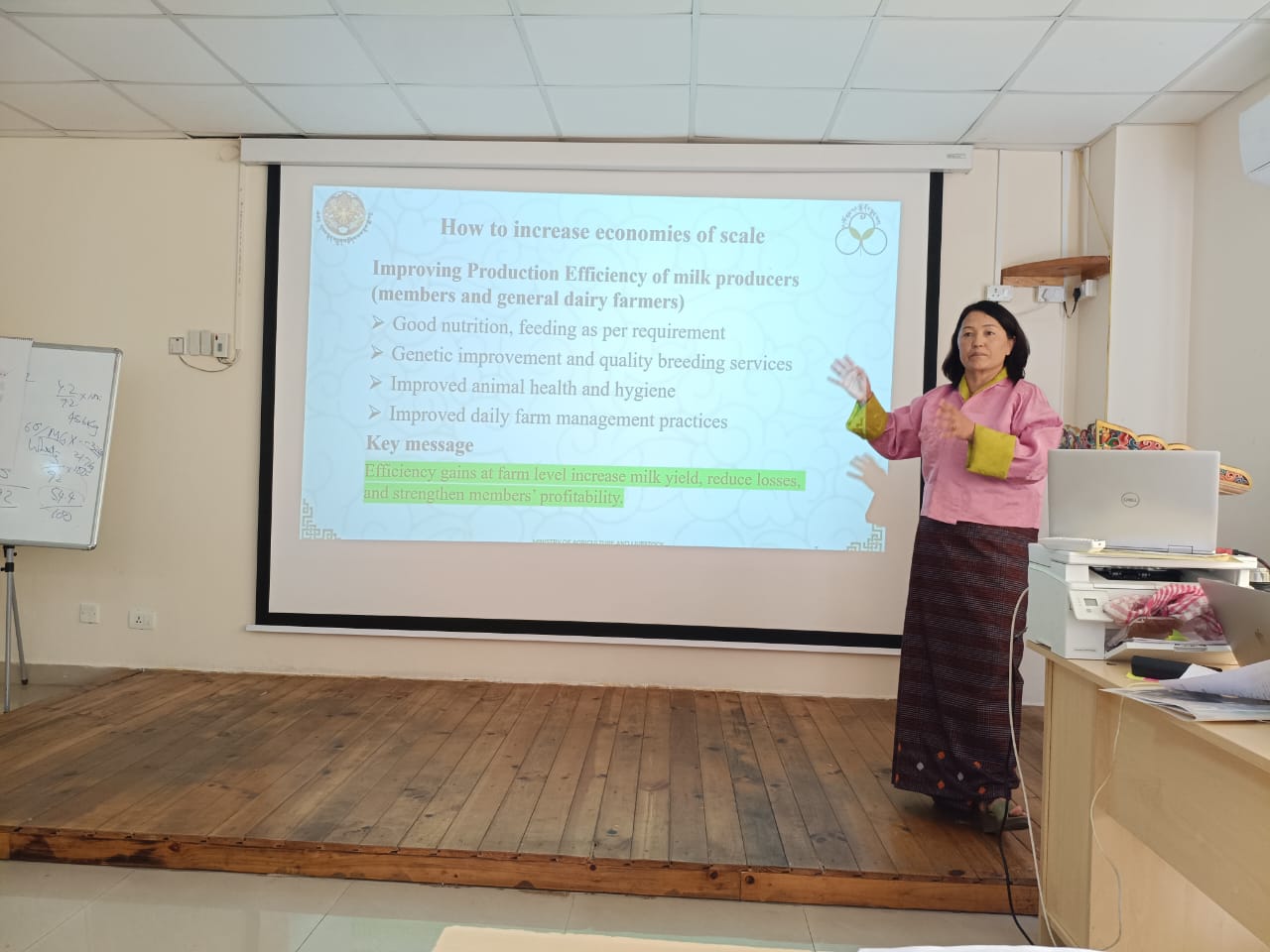
Participants were provided with practical insights on strengthening dairy groups and cooperatives, including hands-on exposure to key financial management tools such as break-even analysis and cost–benefit analysis to assess the viability of dairy enterprises. The training also emphasized clustering of nearby dairy groups to achieve economies of scale, reduce operational costs, and enhance the overall sustainability and profitability of dairy enterprises.
🔹 Farm recording and Digital Cattle Identification System
The GLS were sensitized on the importance of farm recording as a practical management tool for assessing dairy farm profitability. This included accurate technical recording of test-day milk yield, body weight, and comprehensive financial records covering fixed assets, input costs, labour, and other operational expenses, along with income from milk and product sales to evaluate overall farm performance.
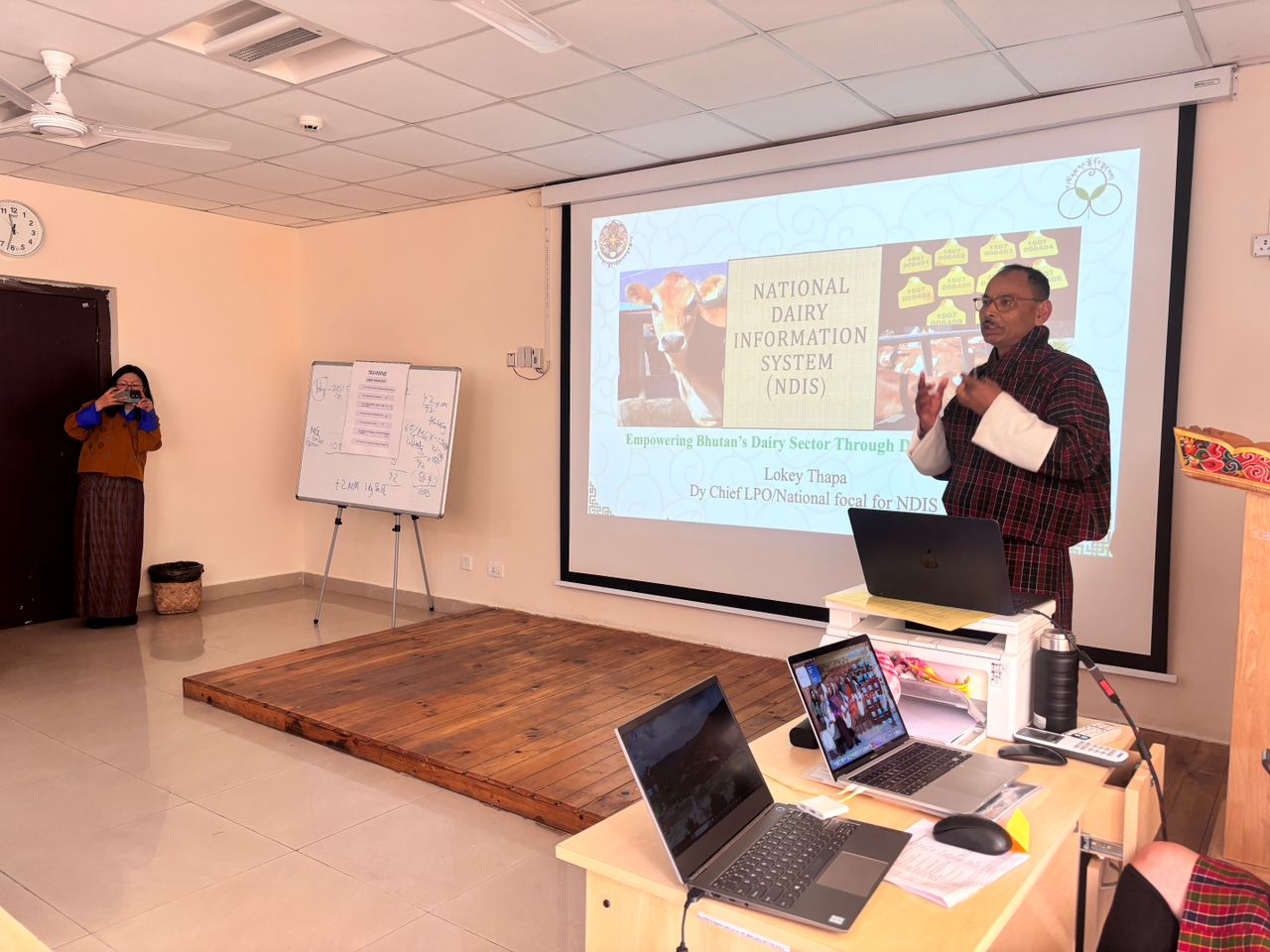
They were also oriented on the enhanced features of the National Dairy Information System (NDIS), including improved digital cattle identification, real-time data entry, and reporting functions to support evidence-based decision-making. These improvements will enable more effective monitoring of farm performance, strengthen traceability, and facilitate targeted interventions to enhance productivity and sustainability of the dairy sector.
🔹 Quality, Standards and Dairy Value Chain Development
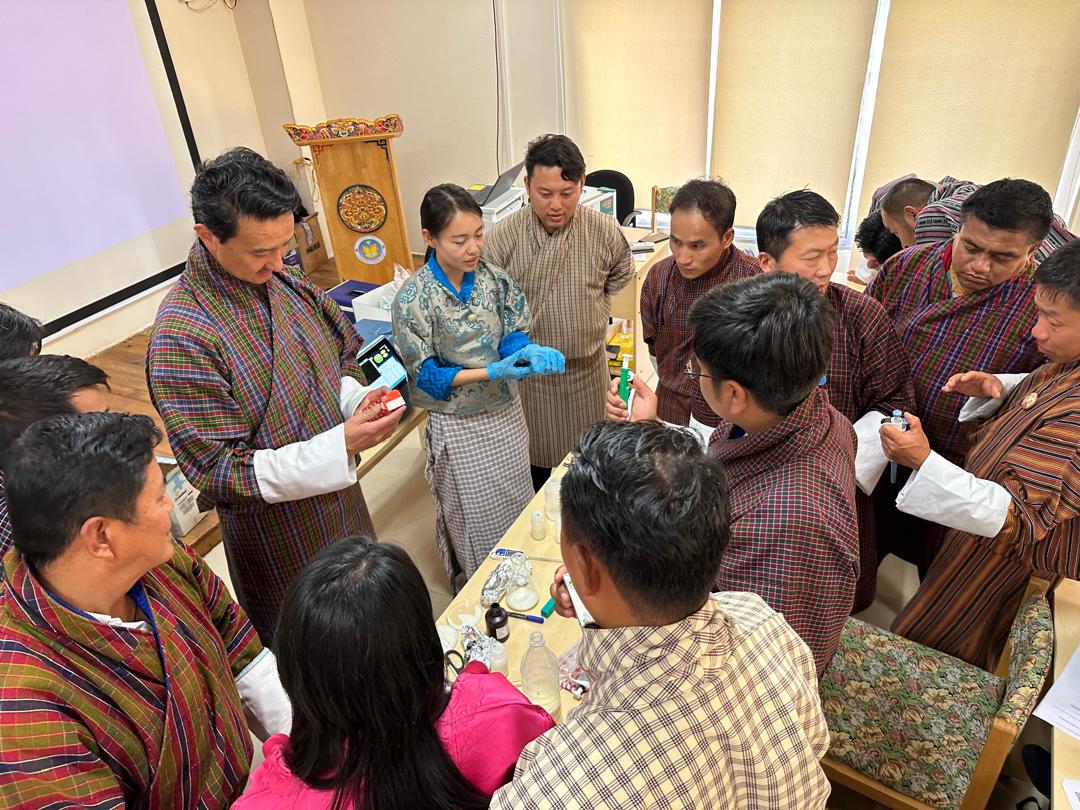
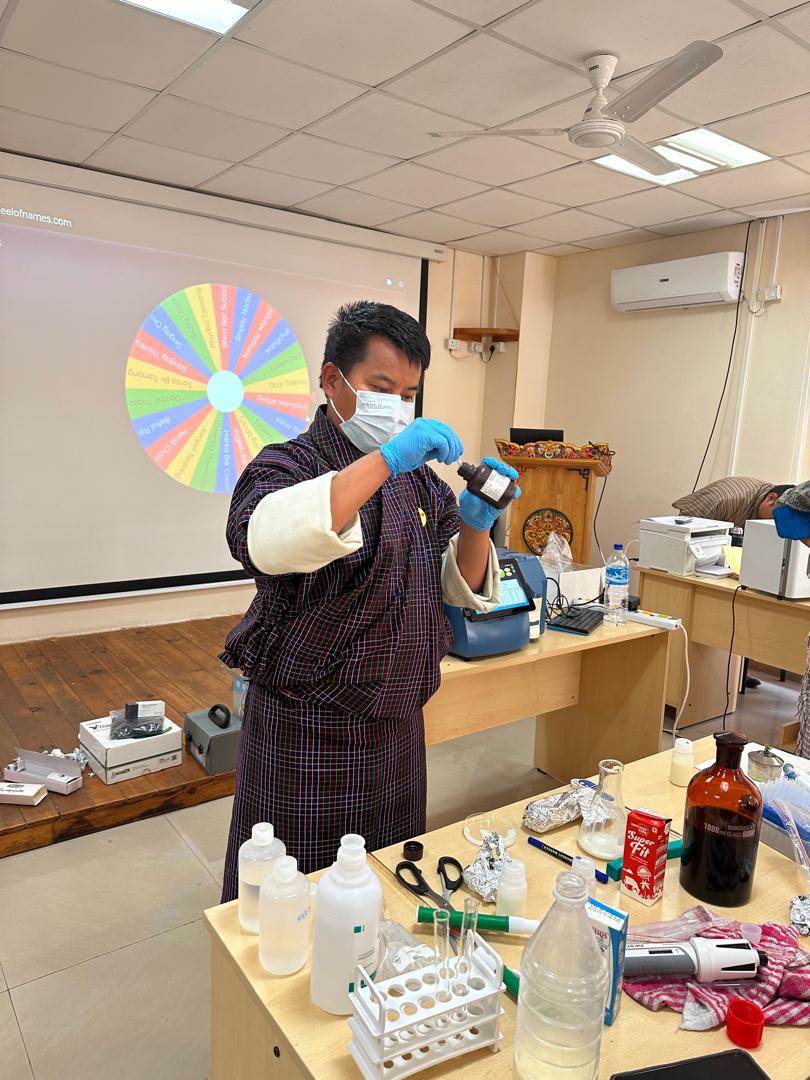
The participants were oriented on the current status of milk hygiene in the country and their capacity was strengthened on clean milk production practices to improve product safety and quality. The session also addressed production-related diseases, particularly mastitis, with emphasis on its prevention, early detection, and proper management to reduce production losses and improve milk quality.
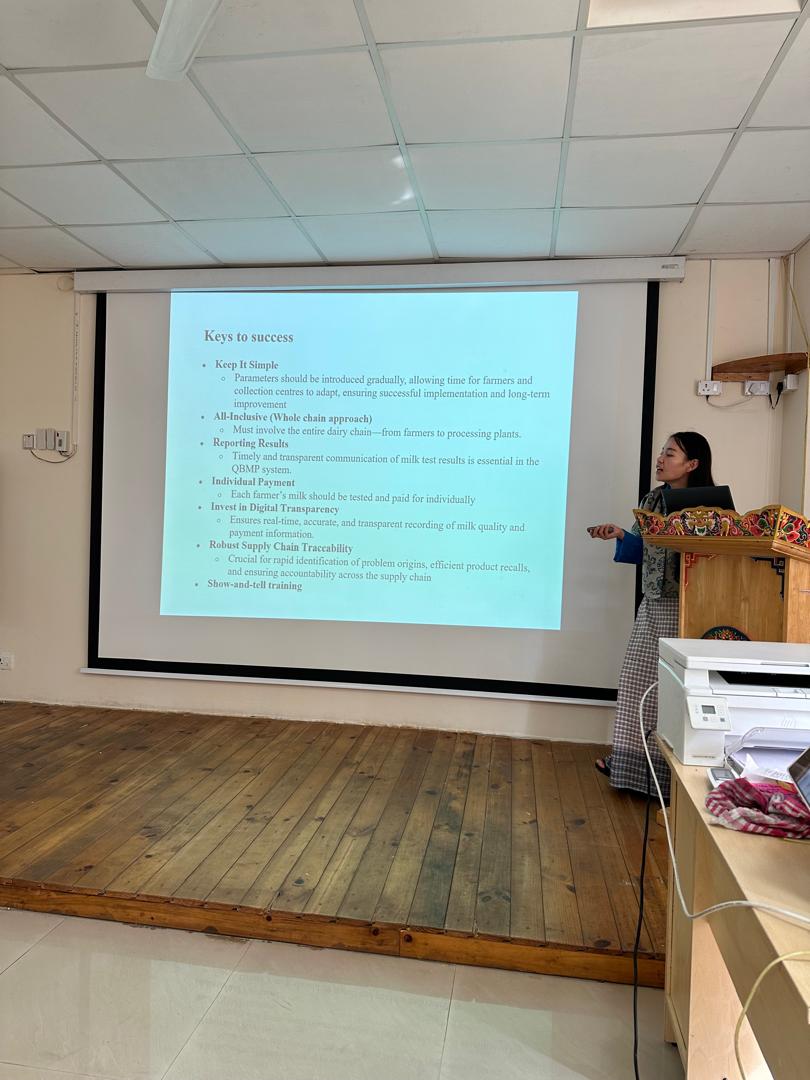
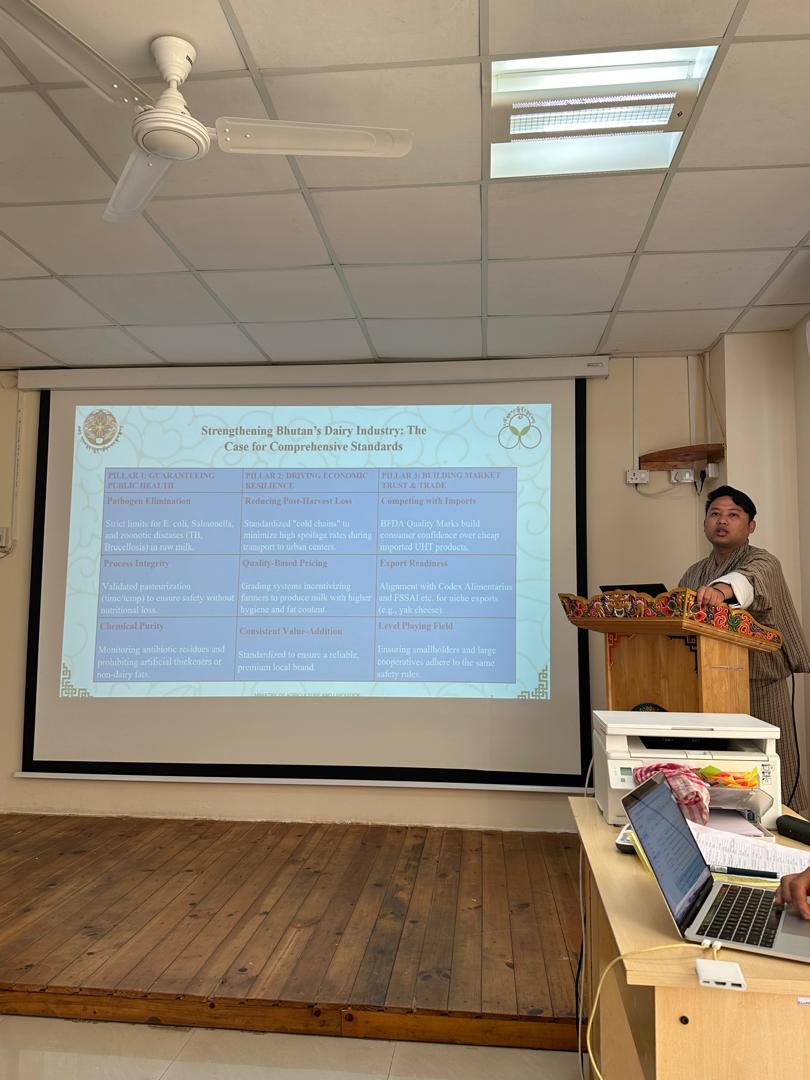
It further covered national standards for milk and dairy products, along with the introduction of quality-based milk pricing systems to incentivize better hygiene and handling practices at both farm and group levels. In addition, participants were briefed on dairy value chain development initiatives under the project, including strategic location mapping of Milk Collection Centres (MCCs) and Milk Processing Units (MPUs) to enhance milk aggregation, improve processing efficiency, and strengthen market access for dairy farmers.
Training Approaches
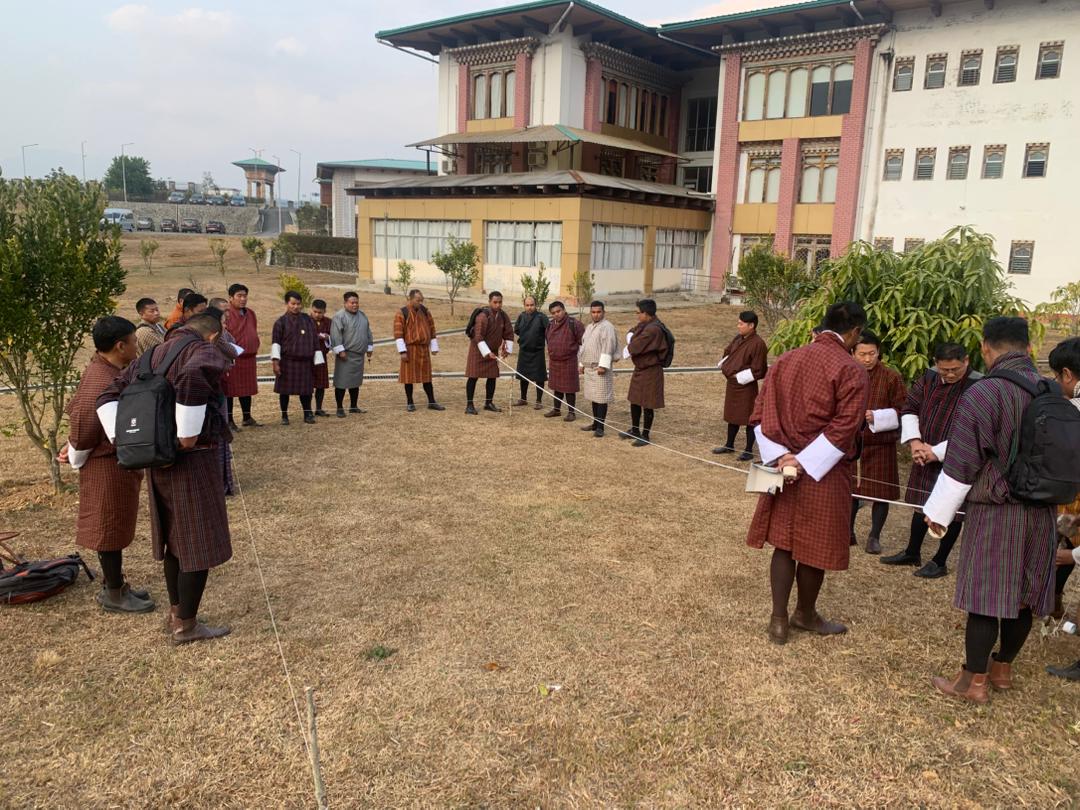
The training adopted a blended “learning-by-doing” approach, combining theory sessions with practical demonstrations on Total Mixed Ration (TMR) formulation and improved housing layout, along with field visits and case studies of dairy group operations. These activities helped participants link concepts to real-world applications, particularly in improving economies of scale through clustering of smaller dairy groups.
To reinforce learning, each day’s sessions were recapped on the following day by participants from assigned Dzongkhags. These recap presentations were conducted on a rotational basis, helping participants revisit key concepts, strengthen retention, and promote active engagement and peer learning throughout the training.
Expected key outcome
- Improved knowledge of smart dairy farming technologies and government support schemes among GLSs
- Enhanced technical skills in fodder management feed formulation.
- Better understanding of dairy group management and business viability concepts
- Increased awareness of milk quality standards, value chain requirements and disease prevention
- Enhanced understanding of the National Dairy Information System for digital cattle identification and data management.
- Strengthened capacity of GLSs to provide effective, evidence-based advisory services to operate dairy farming as well as dairy farmers group/cooperatives in a business mode
Reported by:
Deki Choden
DyCLPO
Information Management Sector