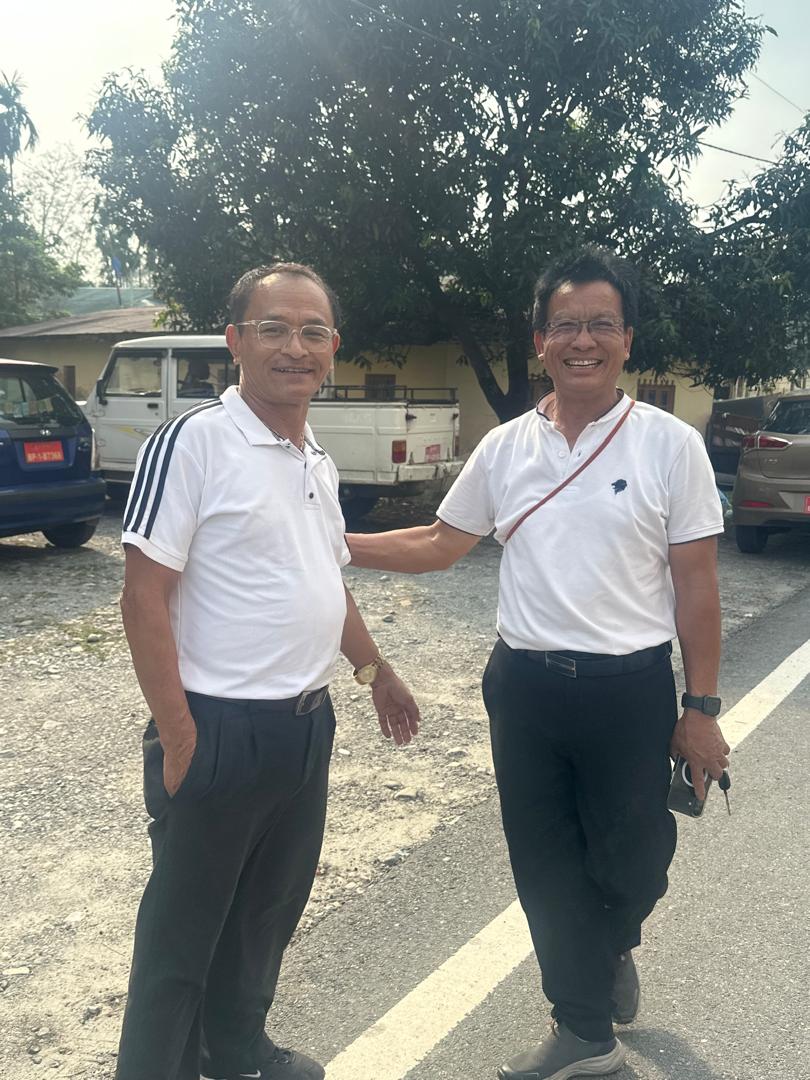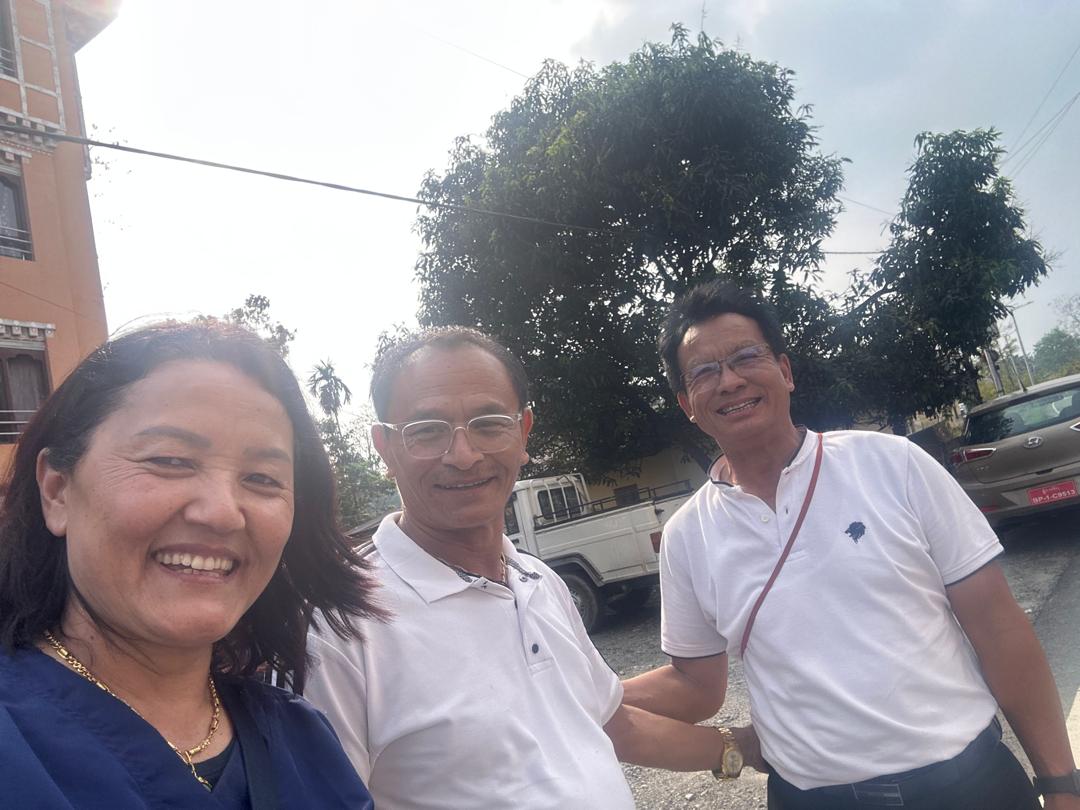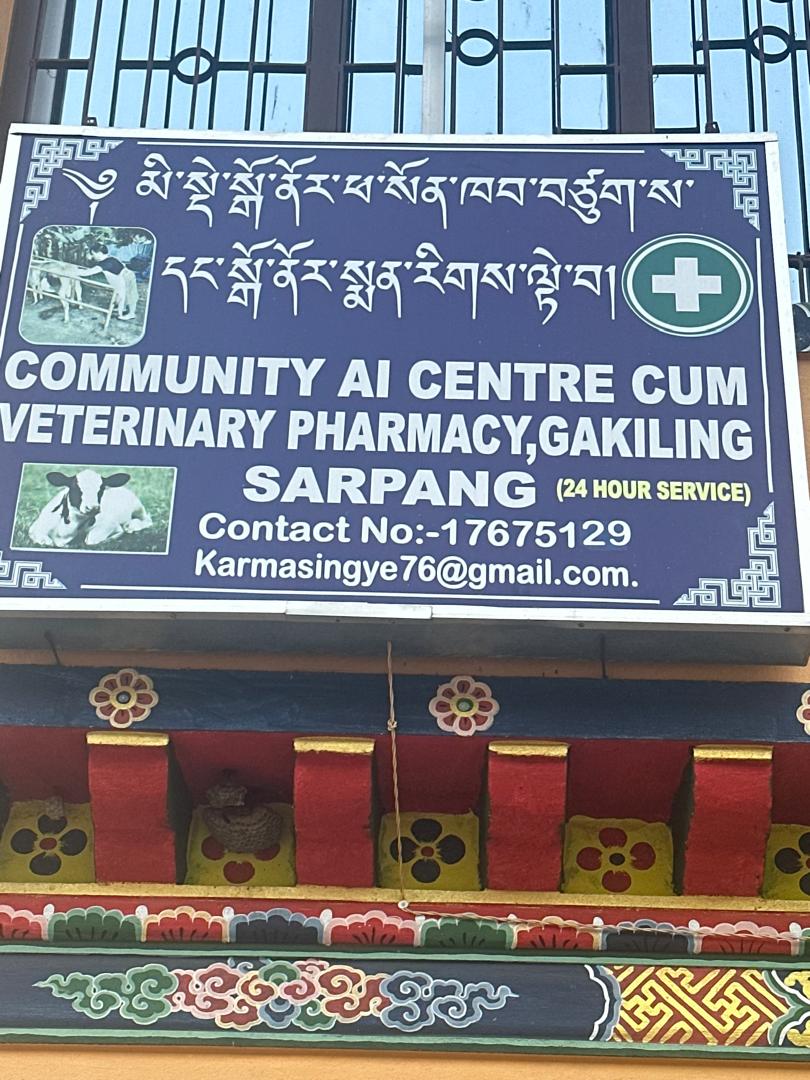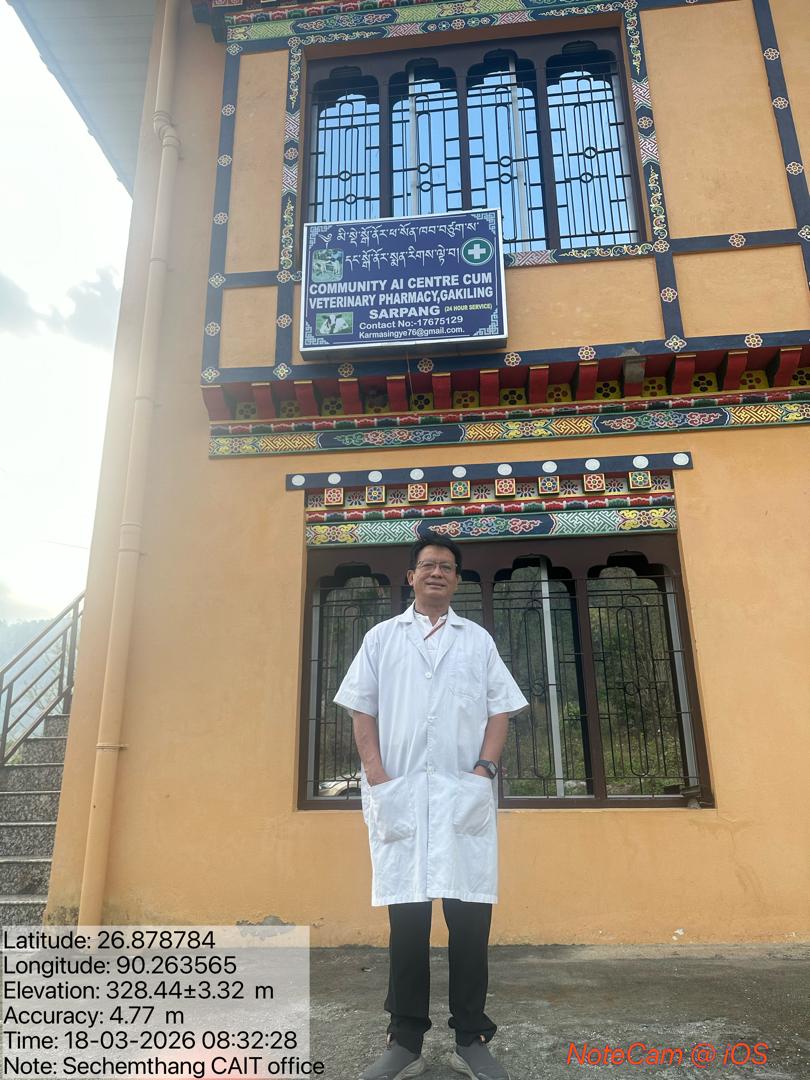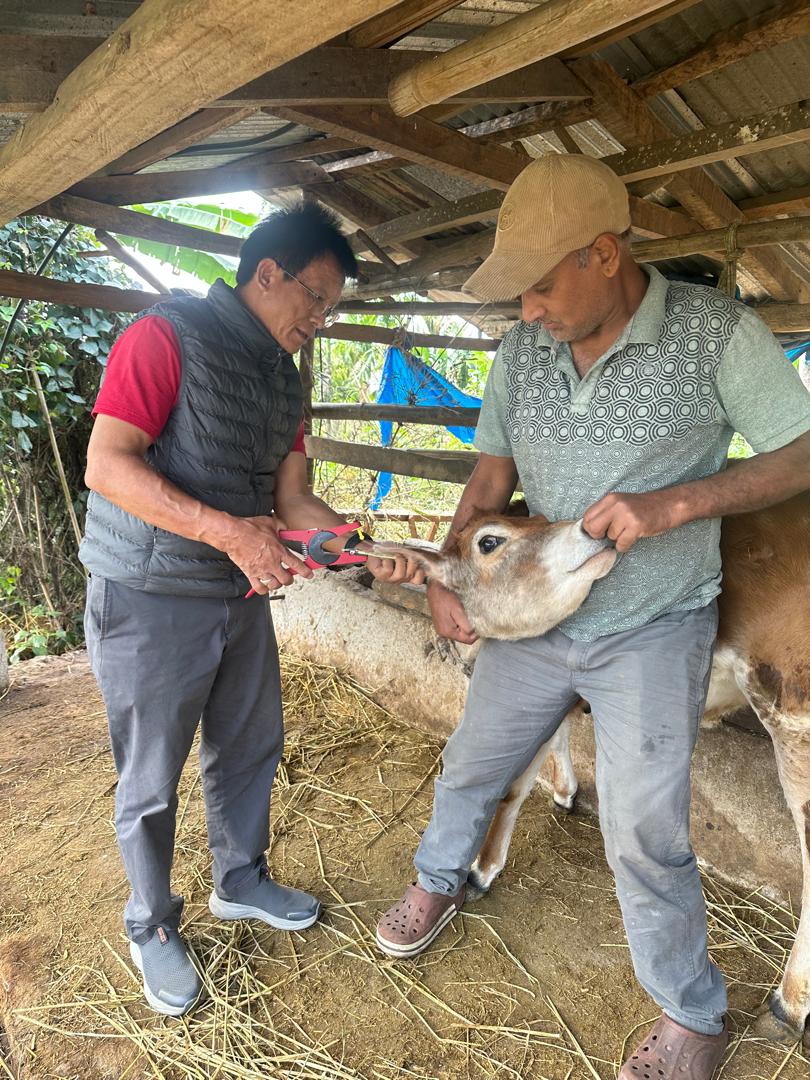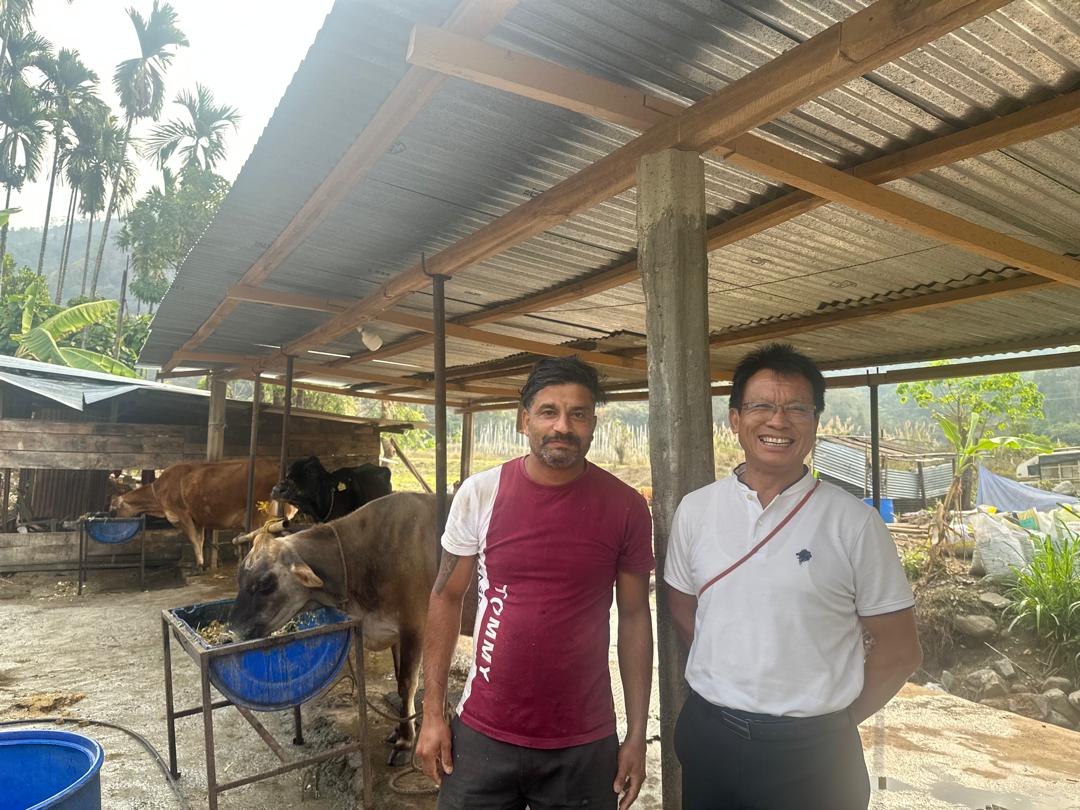
The engagement of retired livestock professionals as Community-Based Artificial Insemination Technicians (CAITs) is emerging as a powerful and innovative approach to strengthening last-mile livestock service delivery in the country. The success stories of Mr. Phuntsho Dorji and Mr. Karma Singye—both retired livestock professionals currently serving as CAITs in Sarpang Dzongkhag—clearly demonstrate how experienced human resources can be effectively mobilized even after retirement to address critical service gaps in the field.
In an environment where the shortage of government Artificial Insemination (AI) technicians often limits timely service delivery, these two dedicated professionals have stepped forward to fill the gap with remarkable commitment and efficiency. Their continued engagement not only ensures uninterrupted breeding services but also sets a strong example for other retired livestock personnel to contribute meaningfully to the sector.
Based in Gelephu and Gakiling Gewogs, Mr. Phuntsho Dorji and Mr. Karma Singye provide reliable doorstep AI and basic veterinary services across multiple gewogs, including remote and hard-to-reach areas. A key factor behind their success is their ownership of personal vehicles (Bolero), which allows them to travel even on rough and challenging farm roads. This has significantly eased access for farmers, who no longer need to arrange transport during critical breeding periods.
“Earlier, we had to wait or arrange vehicles to bring technicians. Now, they come to our doorstep anytime. It has made our lives much easier,” shared a farmer from Dekiling Gewog.
Their effectiveness is further strengthened by their fluency in local languages, enabling clear and comfortable communication with all farmers, including those who are illiterate. This has enhanced trust, improved awareness, and encouraged wider adoption of improved dairy practices.
“They explain everything clearly in our own language. We understand better and feel confident to follow improved practices,” said another farmer from Gakiling.
The results of their efforts are both impressive and impactful. During the period from July 2023 to 15 March 2026, Mr. Phuntsho Dorji, based in Gelephu, carried out 1,103 Artificial Inseminations across Gelephu, Samtenling, Serzhong, and Dekiling Gewogs, resulting in 615 progenies with a strong calving rate of 55.8%. Similarly, Mr. Karma Singye, based in Gakiling, performed 360 Artificial Inseminations across Dekiling, Gakiling, Shompangkha, Singhi, and Samtenling Gewogs, resulting in 157 progenies (49 males and 108 females) and a calving rate of 47.1%. These outcomes clearly demonstrate their technical competence and the effectiveness of the CAIT model.
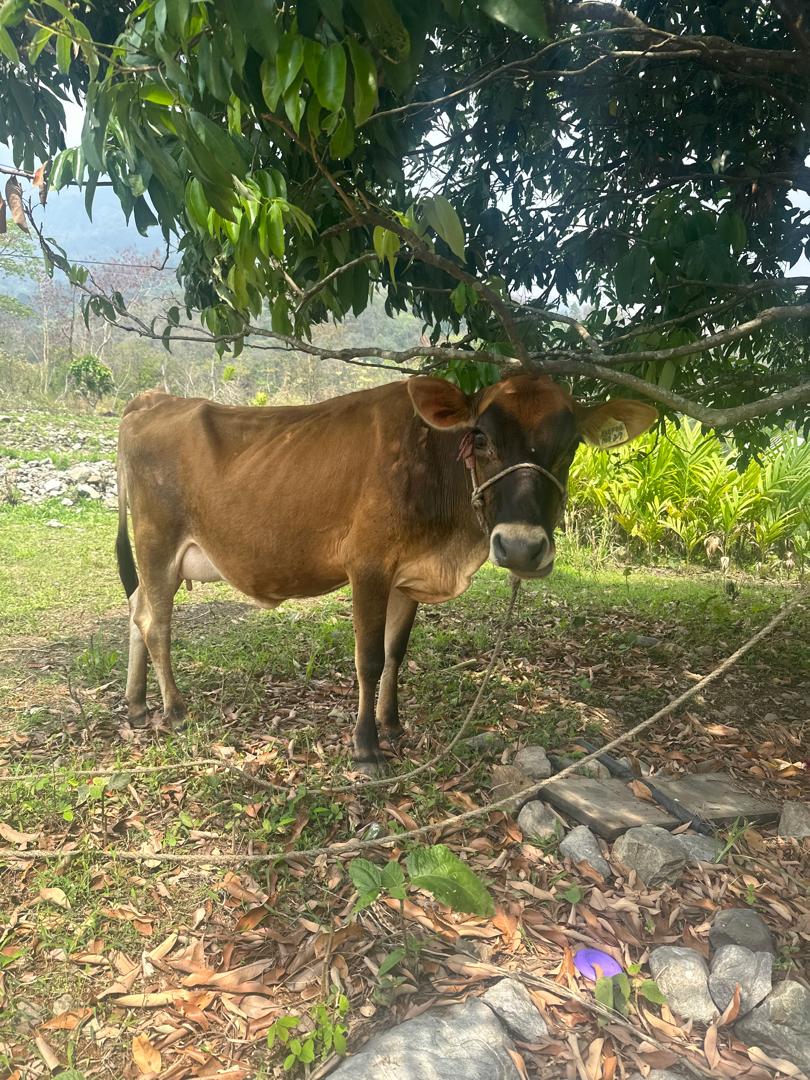
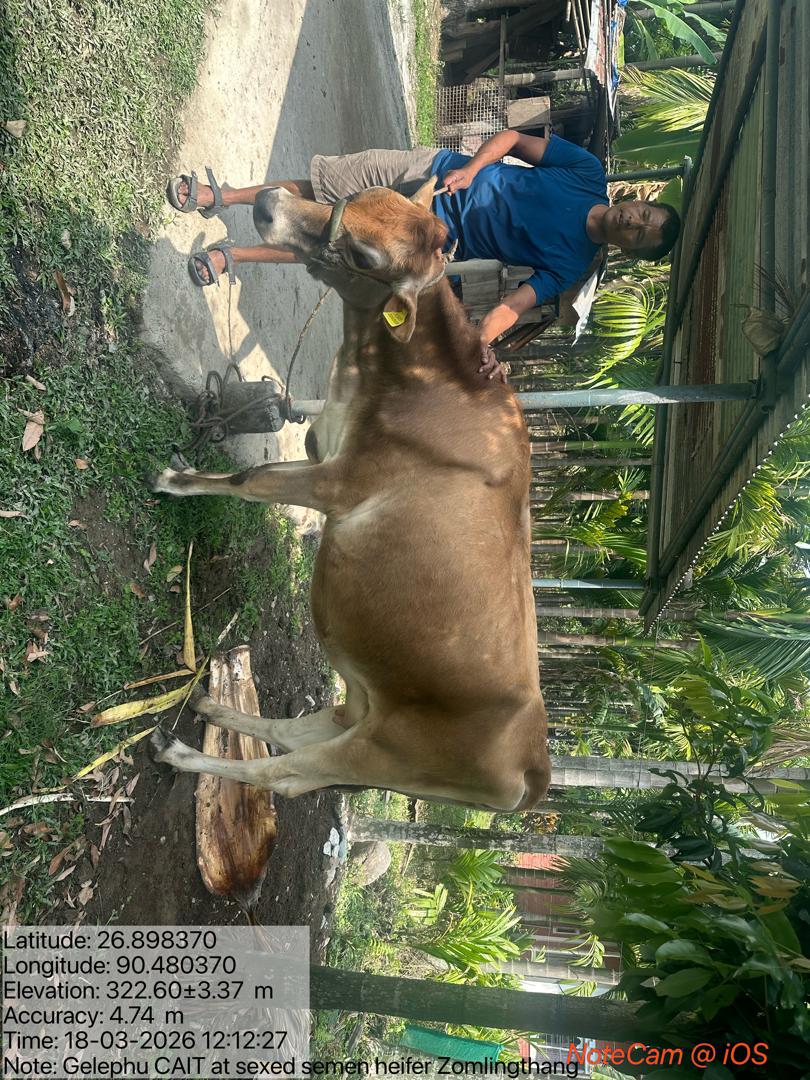
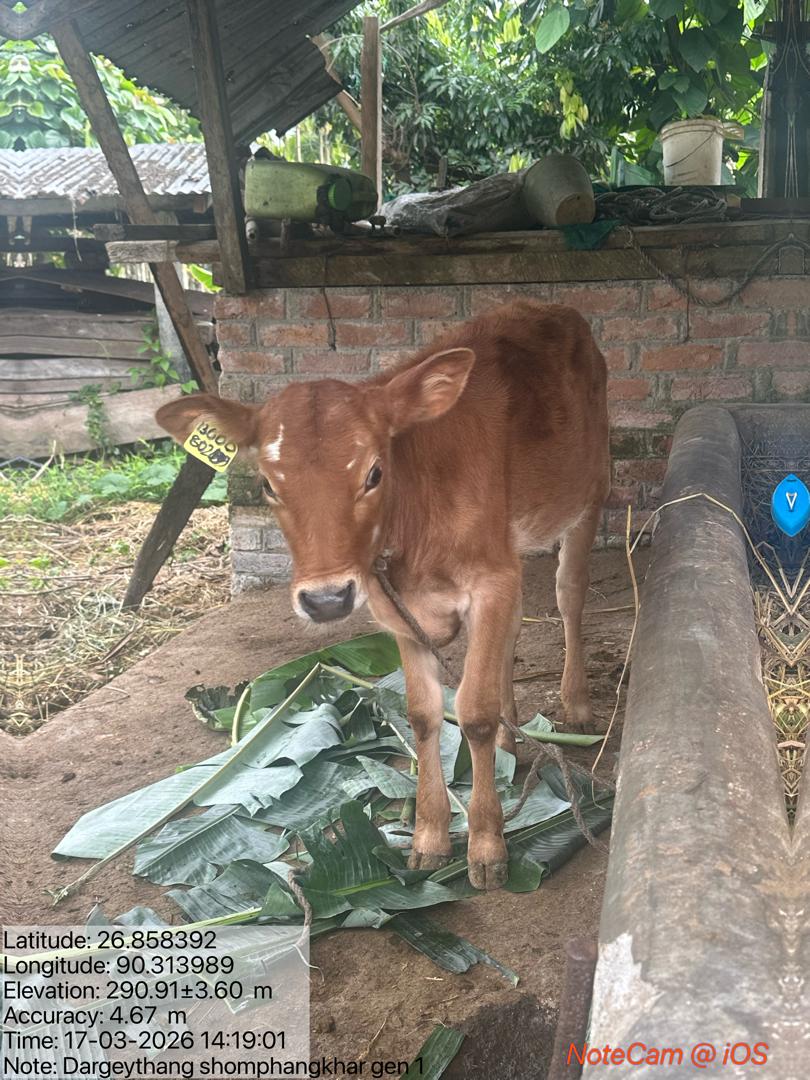
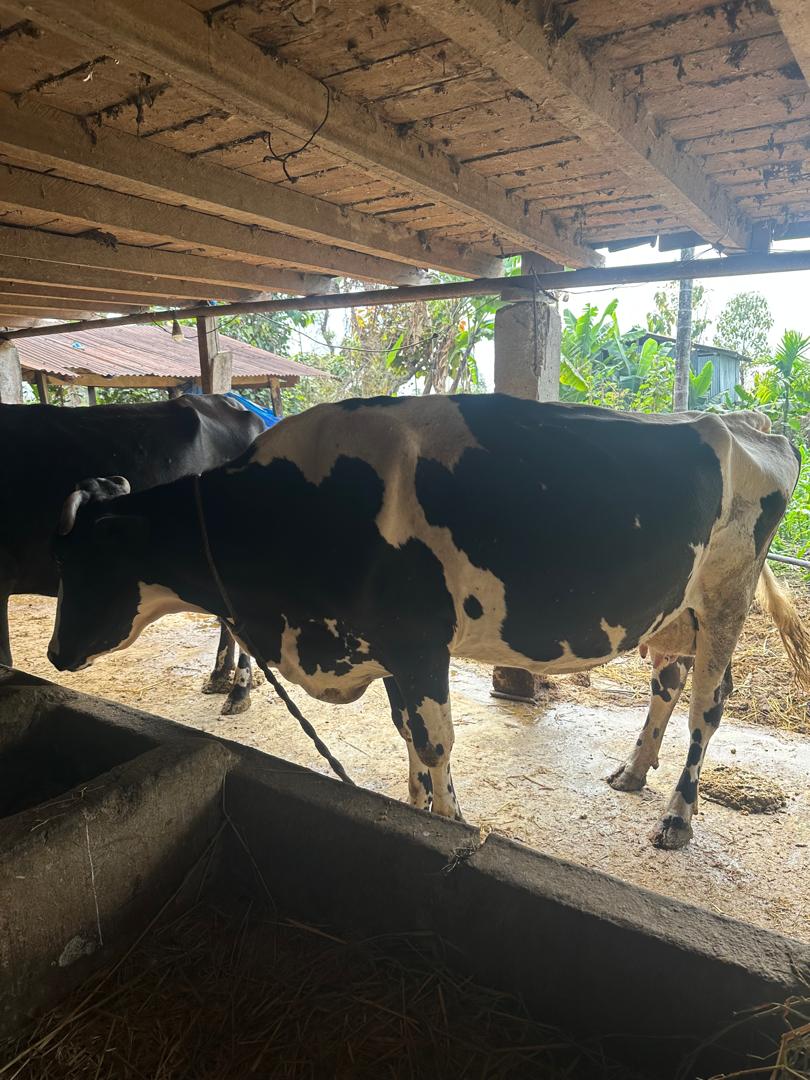
A key highlight of their work is the effective use of advanced breeding technologies, including imported progeny-tested/genomic-selected (PTS/GS) sex-sorted and conventional semen, as well as domestically produced pedigree-selected semen. The targeted use of sex-sorted semen—particularly in heifers and cows up to the third lactation—has resulted in a higher proportion of female calves, contributing to herd expansion, genetic improvement, and increased milk production. Farmers have shown a strong preference for sex-sorted Jersey semen.
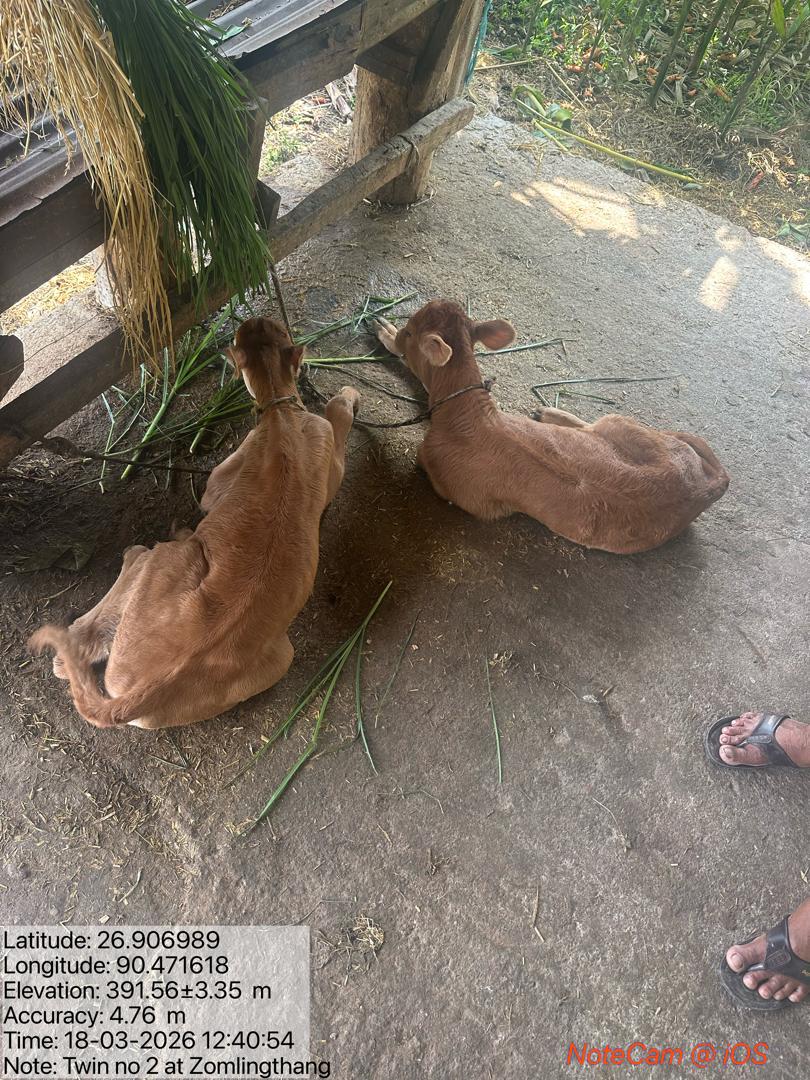
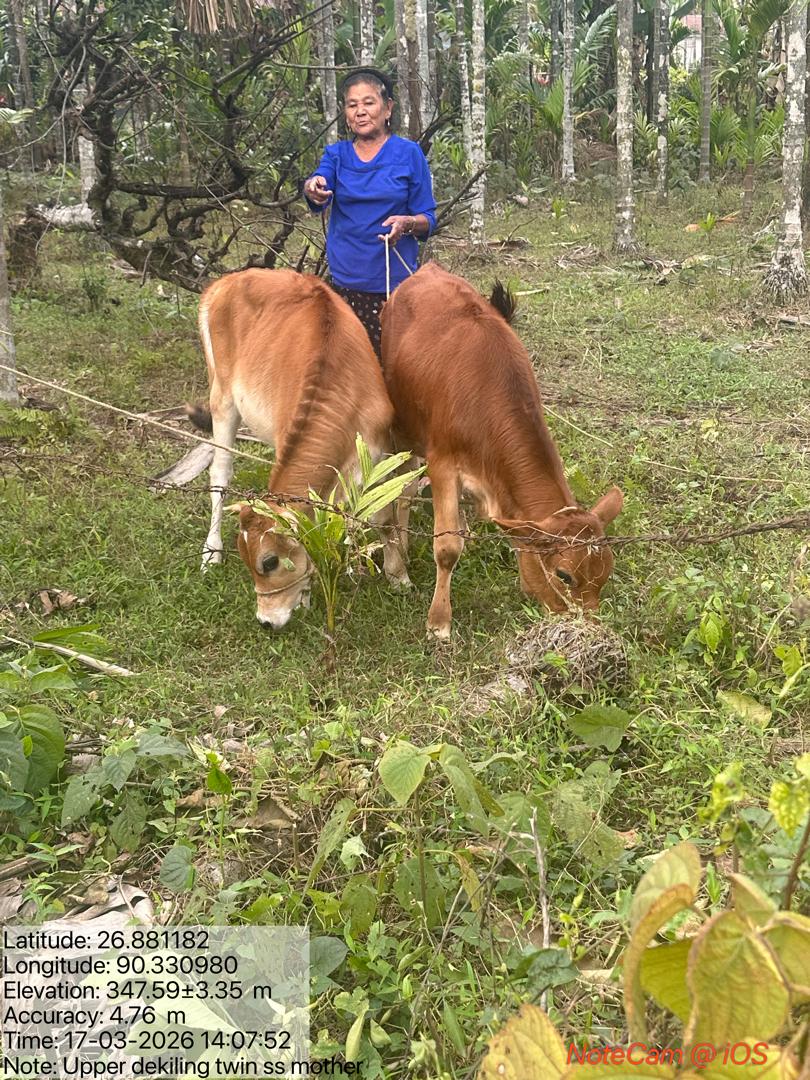
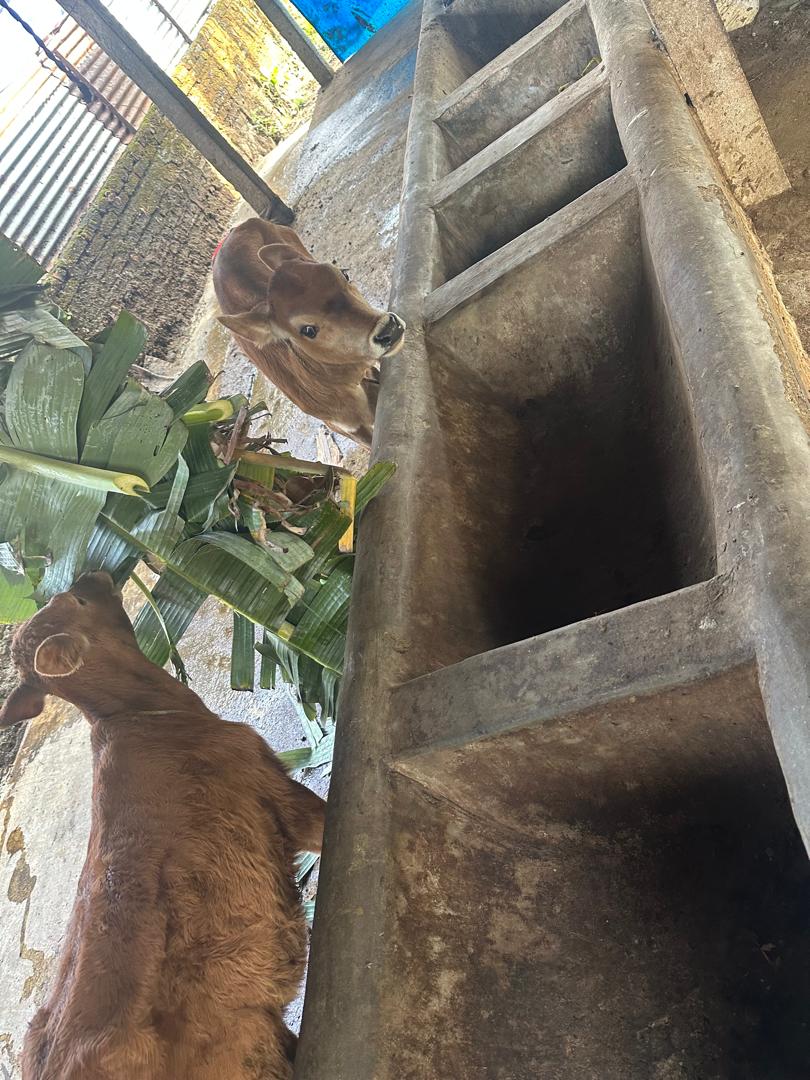
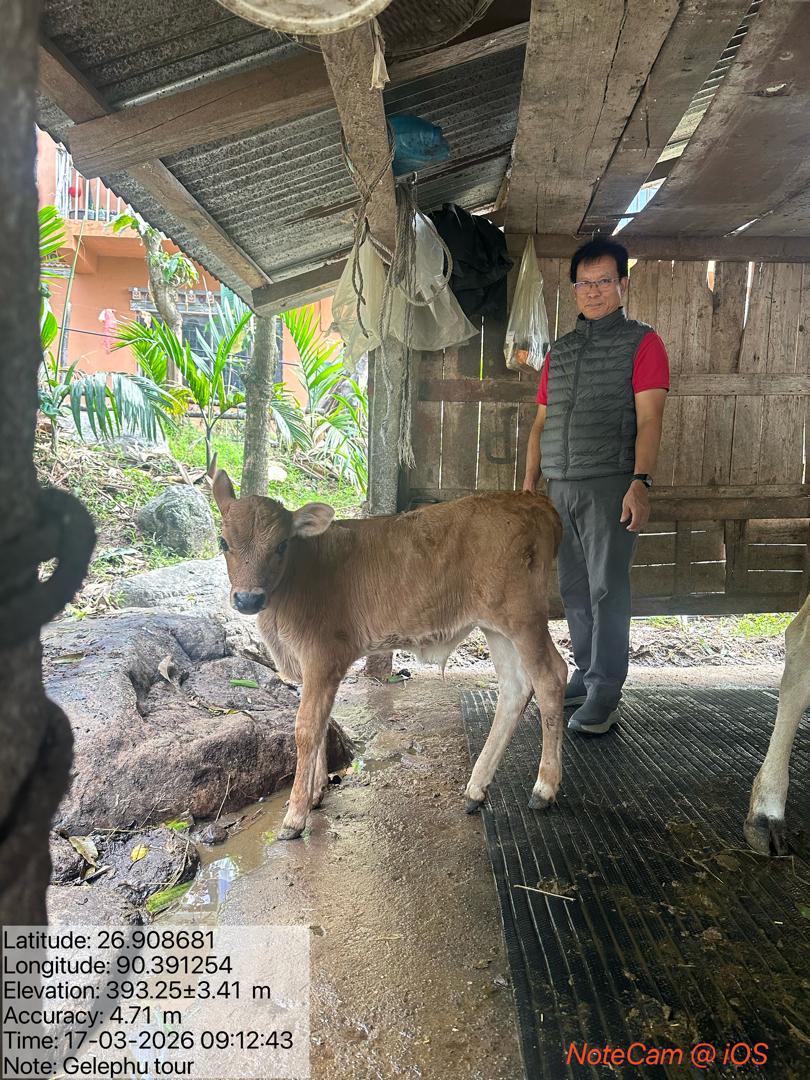
Field observations further validate the success of their services. During visits, many good quality and improved animals were observed in farmers’ herds, including several twin calves, which farmers proudly regard as a symbol of success and progress.
“These twin calves are our pride. Before, we never imagined such results,” said a farmer, smiling as she pointed to his thriving herd.
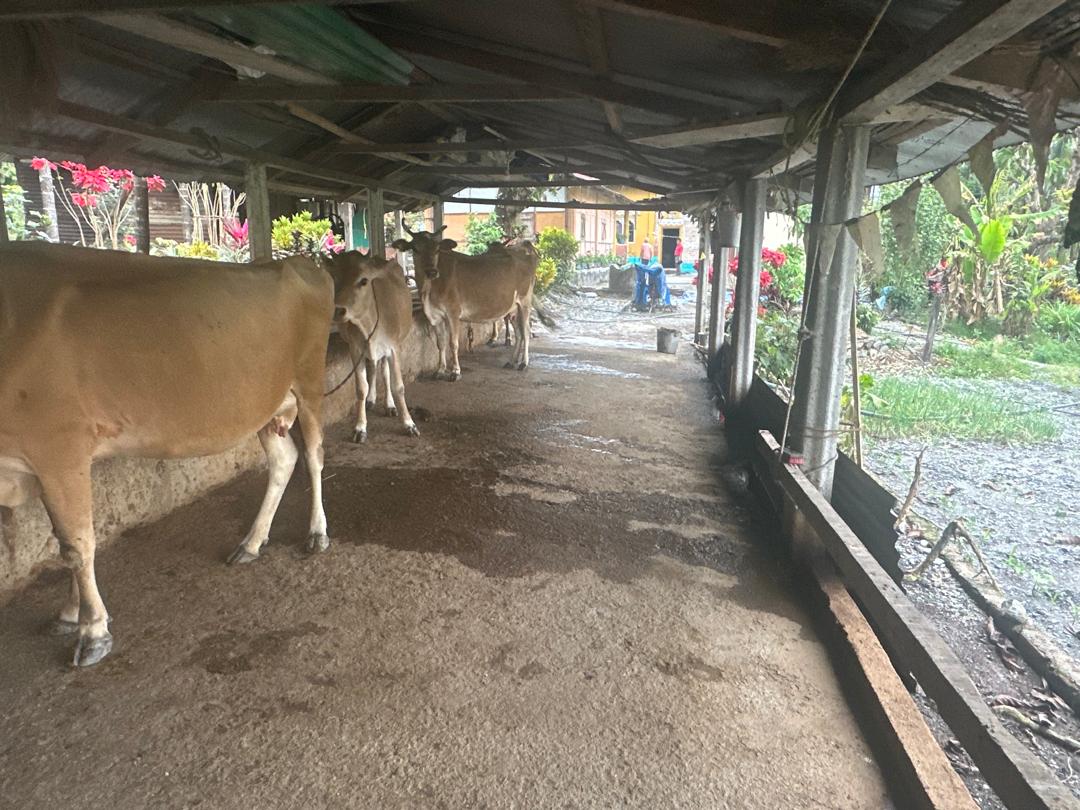
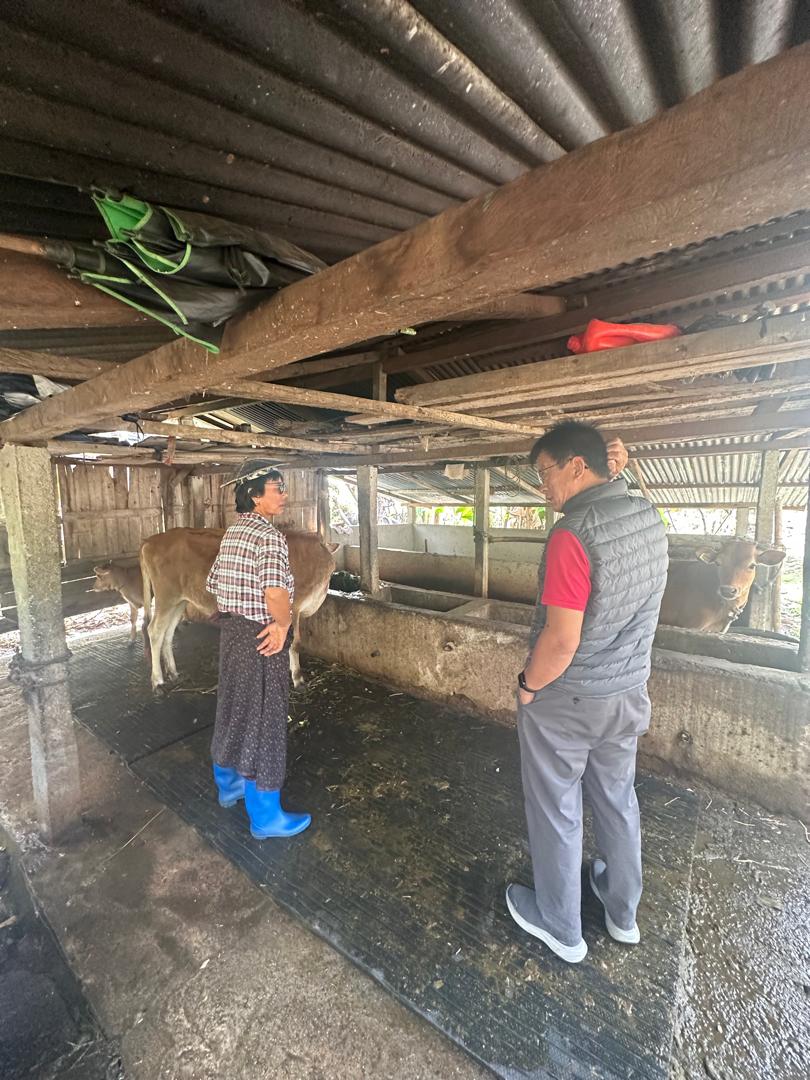
There is also clear evidence that farmers are well aware of improved dairy husbandry practices. Almost all farming households have adopted improved cattle sheds with concrete flooring, along with proper watering and feeding troughs.
Some progressive farmers have even adopted biogas systems, representing a move towards smart and sustainable farming. The use of slurry as organic manure is helping add value to agricultural crops, thereby strengthening the integrated farming system.
The economic impact is equally significant. Farmers are now generating increased income through the sale of high-quality heifers and through higher milk production driven by an increased proportion of female animals. Milk marketing practices are also evolving—many farmers sell their morning milk to nearby dairy groups, while evening milk is processed at home for family nutrition, ensuring both income generation and household food security.
Beyond AI services, both CAITs provide critical support during emergencies, including dystocia, retained placenta, and other reproductive health issues, helping to reduce animal mortality and improve reproductive efficiency. They also maintain essential veterinary medicines at the community level.
In addition, Mr. Karma Singye serves as a concentrate feed agent, supporting farmers in improving livestock nutrition—further enhancing productivity and farm profitability.
Both CAITs have established dedicated and well-organized workplaces to store equipment, semen, and supplies, ensuring service readiness and maintaining quality standards.
Despite operating on a fee-based system (Nu. 500 per AI, Nu. 16 per km for mileage, and Nu. 500 for outcall services), farmers consistently express high satisfaction with their services. Their reliability, prompt response, and consistent follow-up support make them the preferred choice.
“We are happy to pay because the service is reliable, fast, and effective,” a farmer explained.
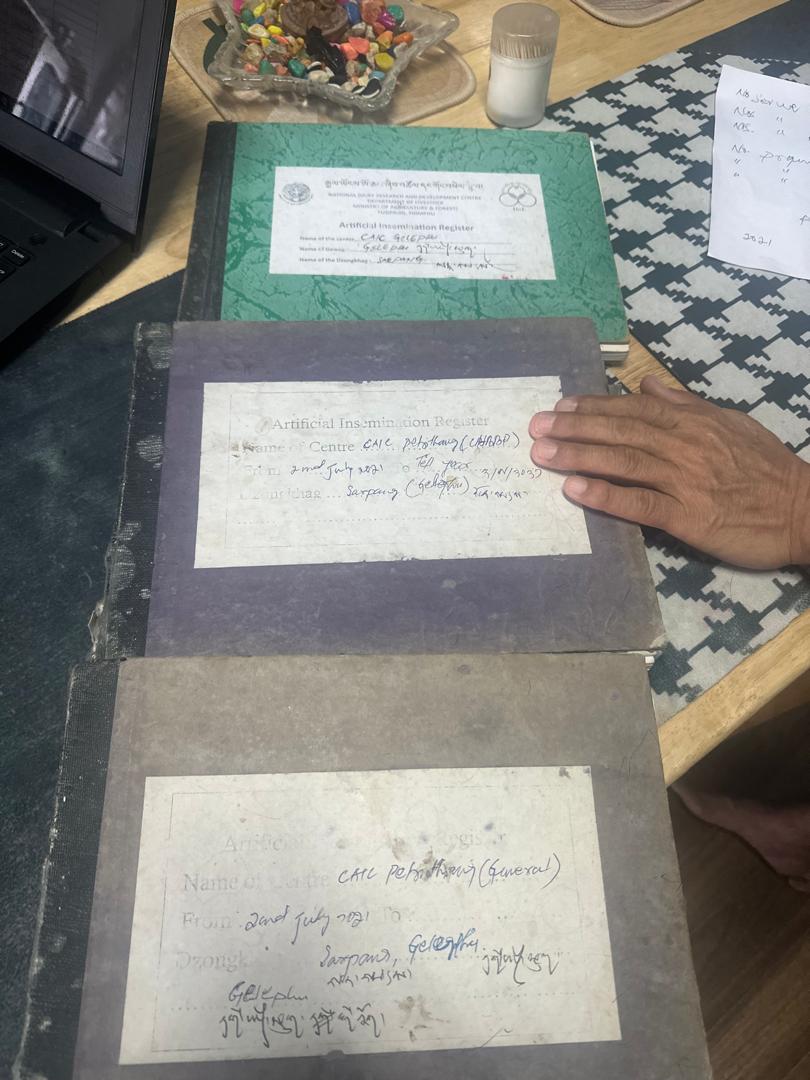
Their strong record-keeping and reporting practices further enhance transparency and support evidence-based planning and monitoring. A separate AI register is used for each semen type.
Overall, the contributions of Mr. Phuntsho Dorji and Mr. Karma Singye go far beyond service delivery. They are actively transforming rural dairy farming—improving breed quality, increasing milk production, and enhancing rural incomes. Their work stands as a shining example of how retired professionals can continue to serve with dedication and impact.
The success of these two CAITs highlights the immense potential of scaling up this model across the country. By leveraging the experience and commitment of retired livestock professionals, Bhutan can further strengthen livestock service delivery and accelerate the development of a more productive, sustainable, and farmer-centric dairy sector.